How We Fix It
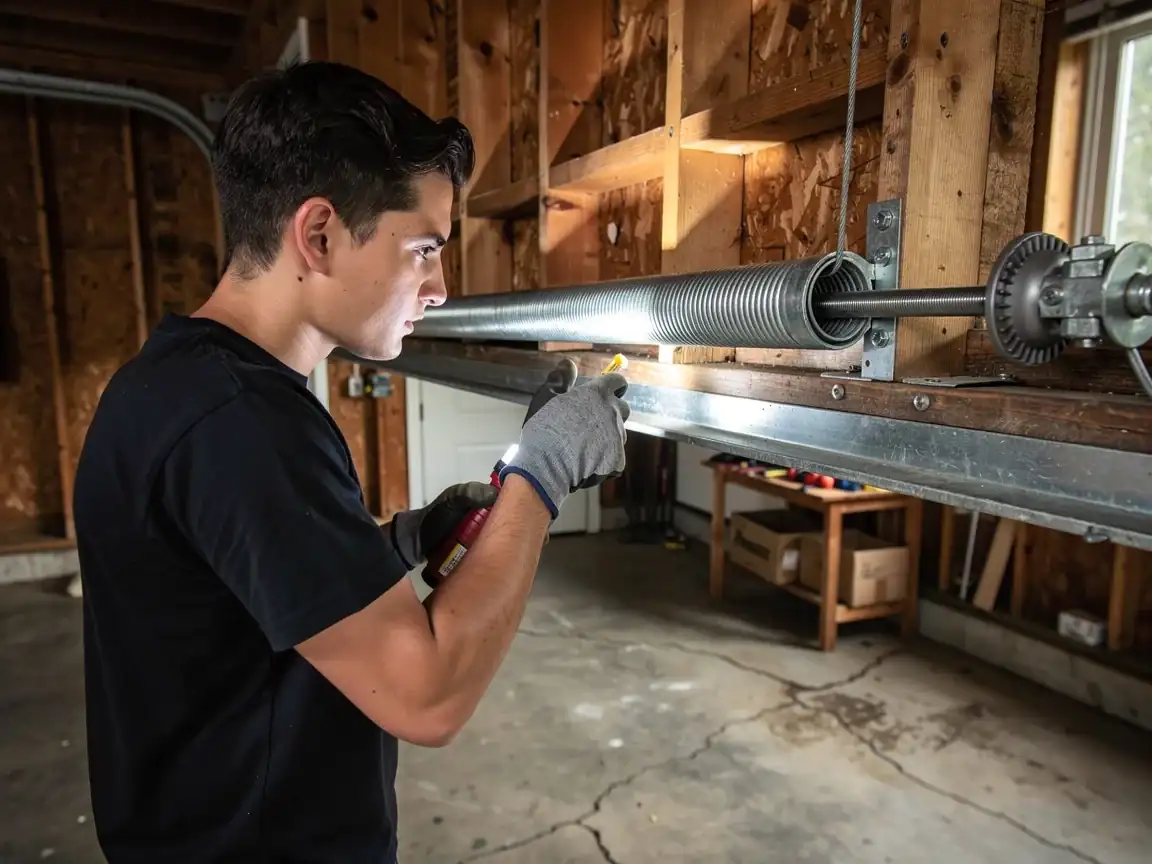
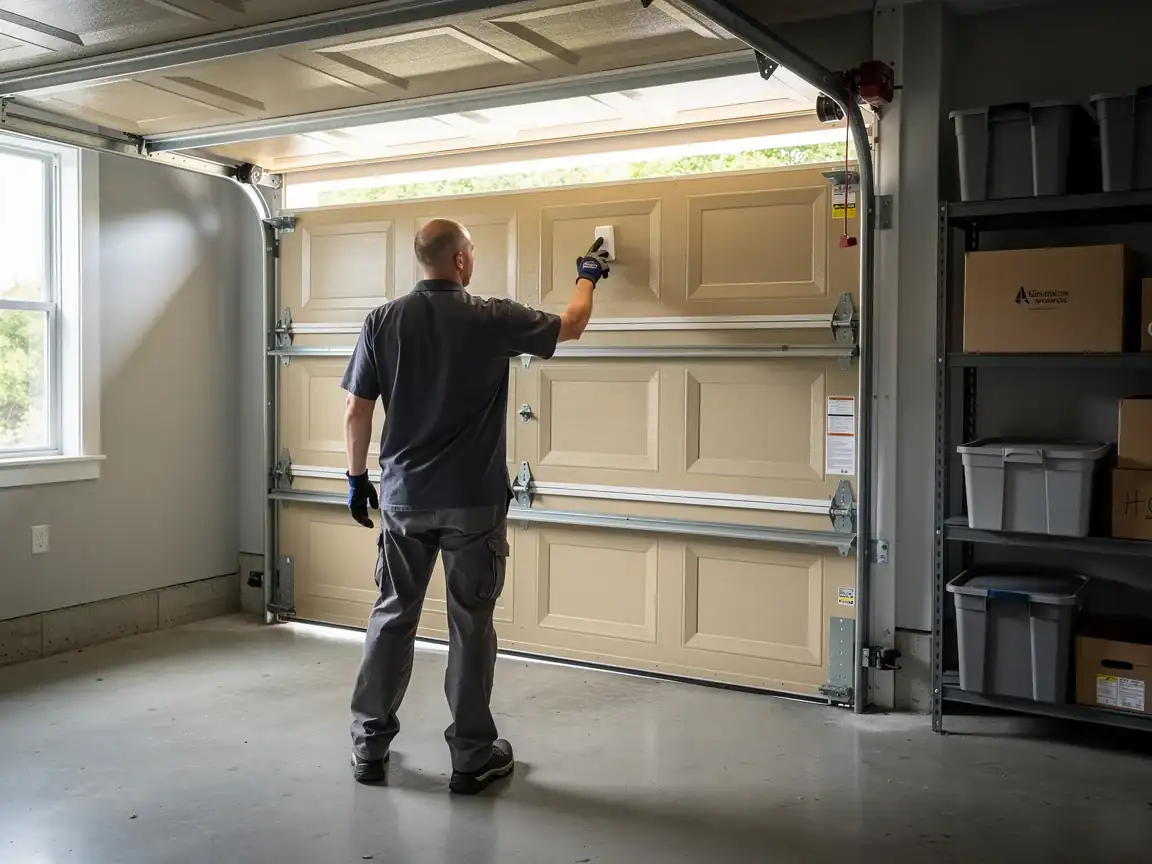
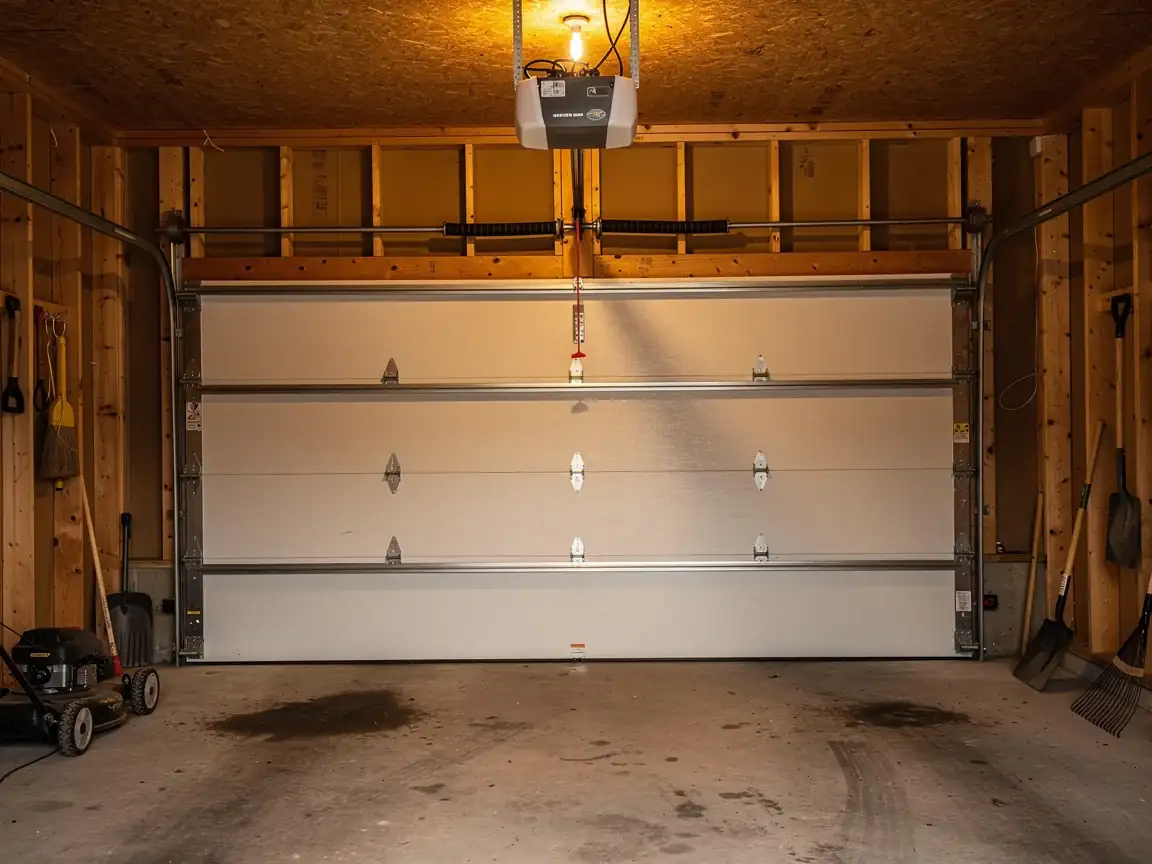
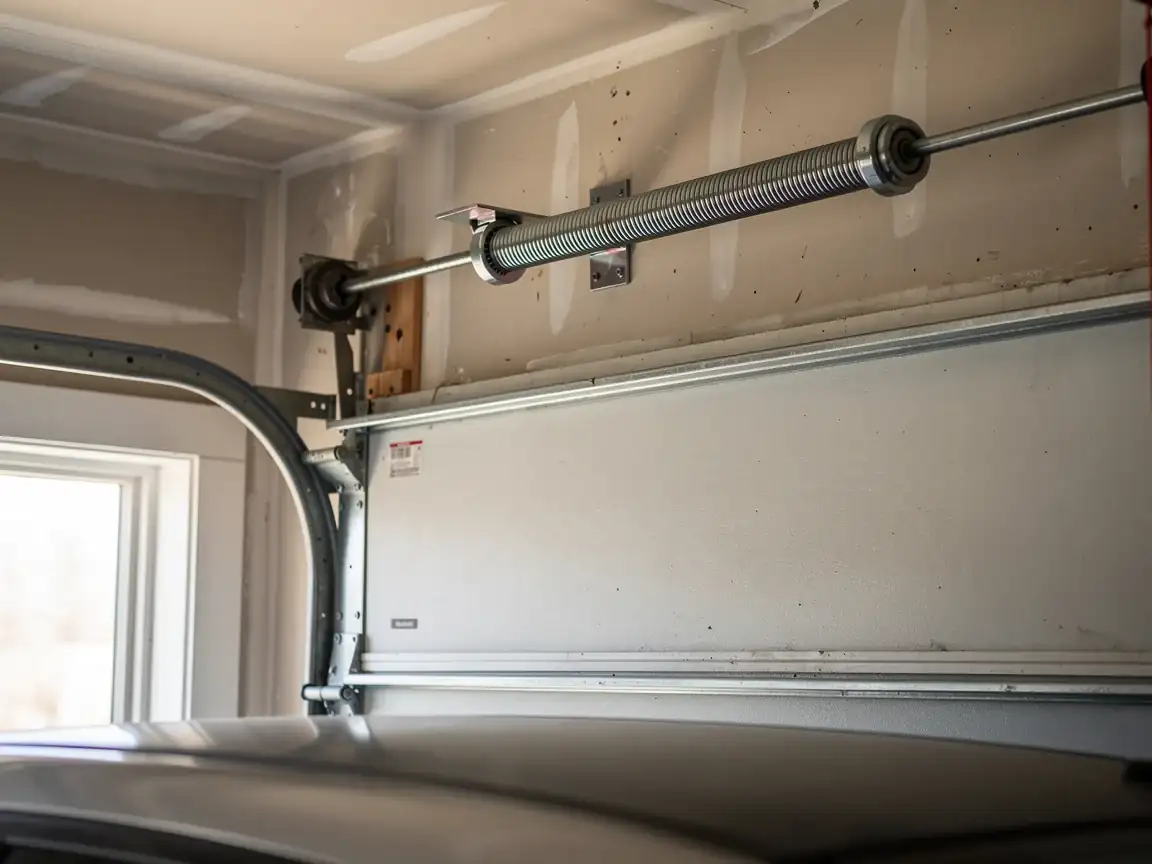
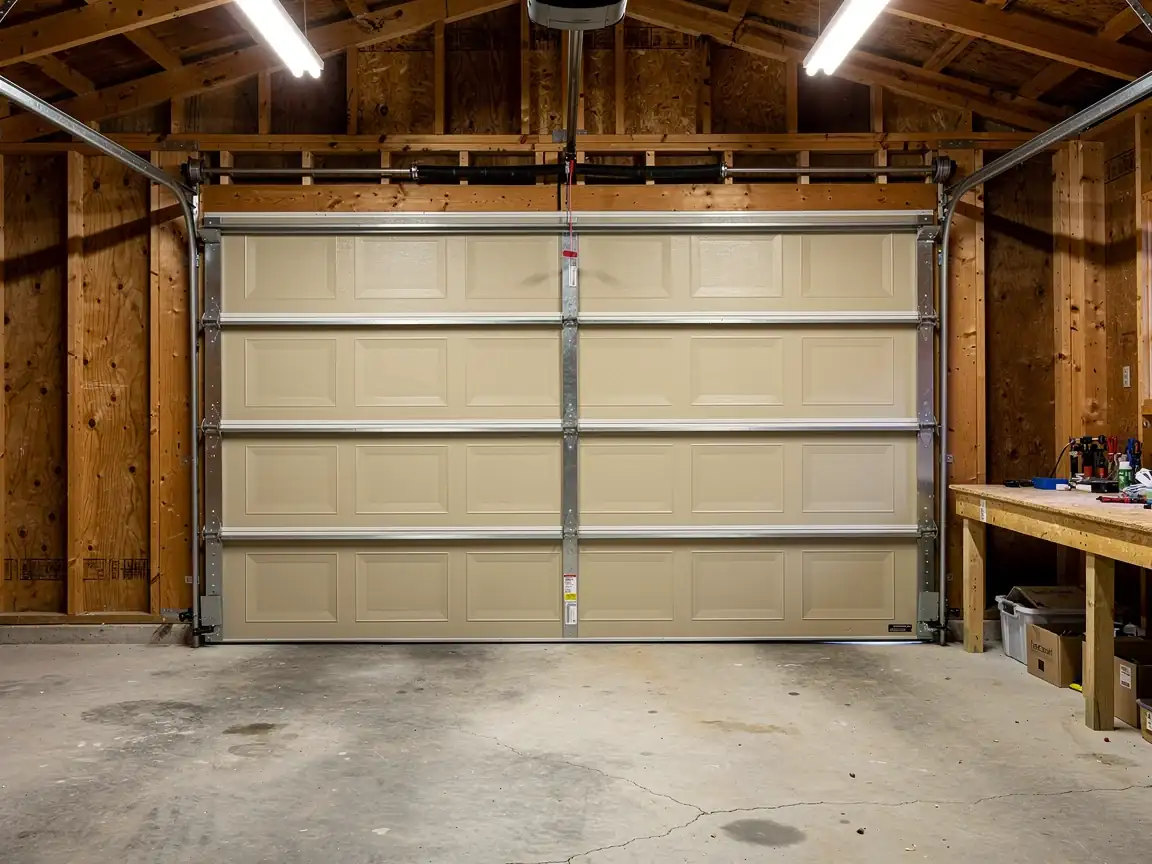
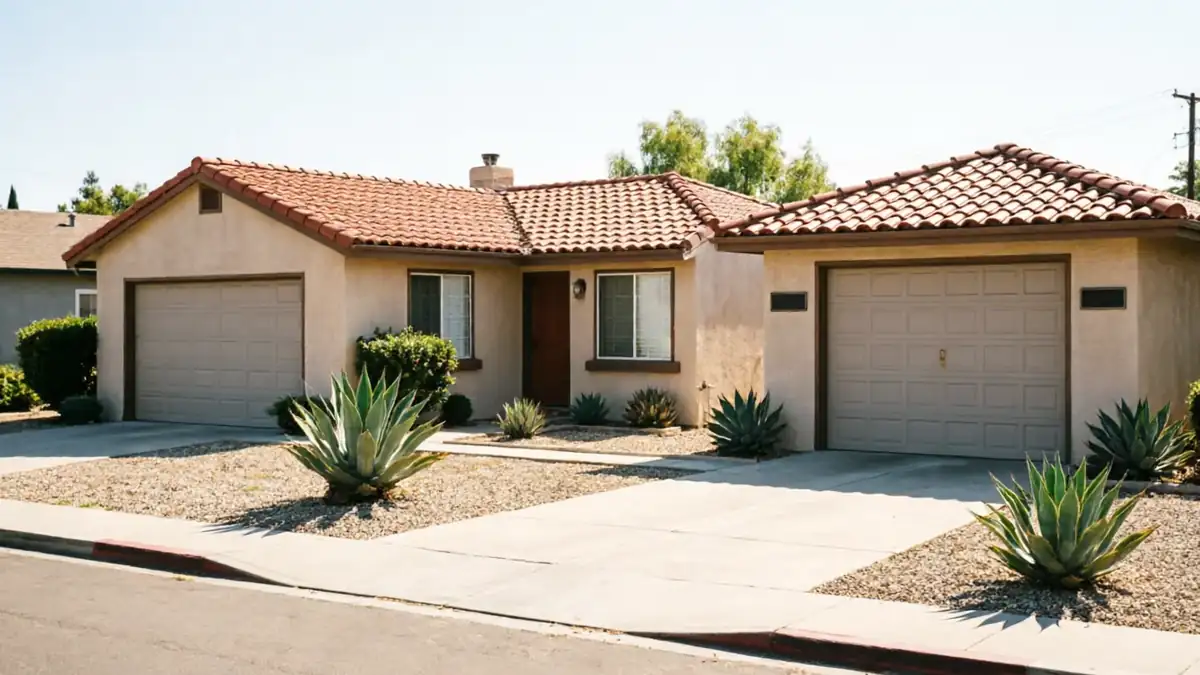
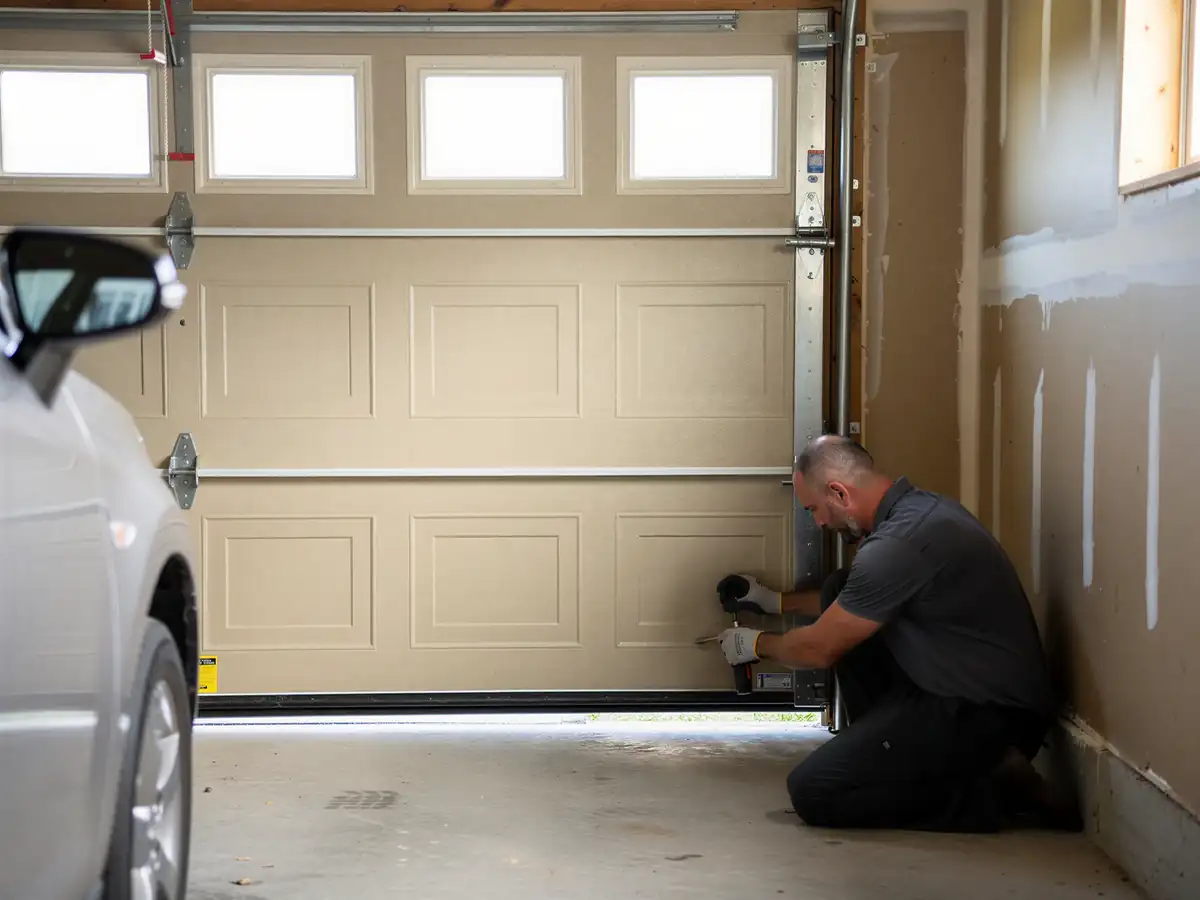
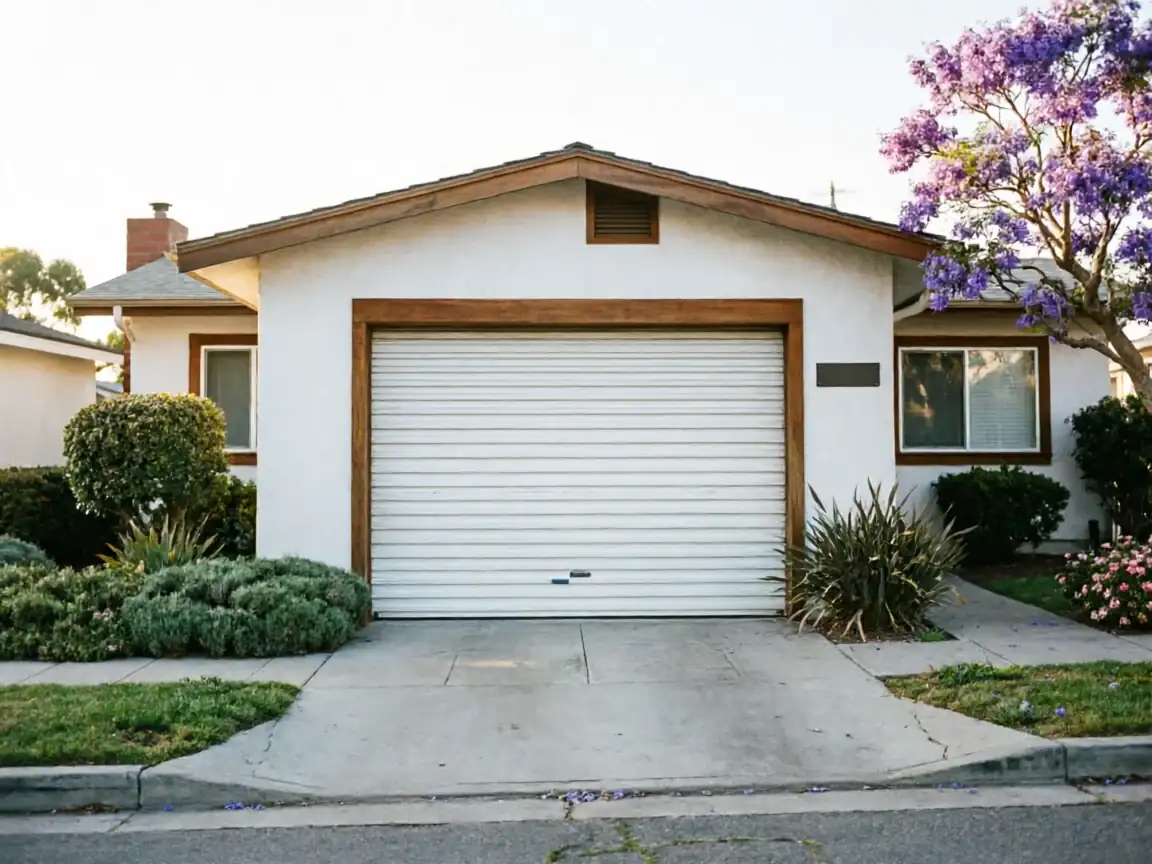
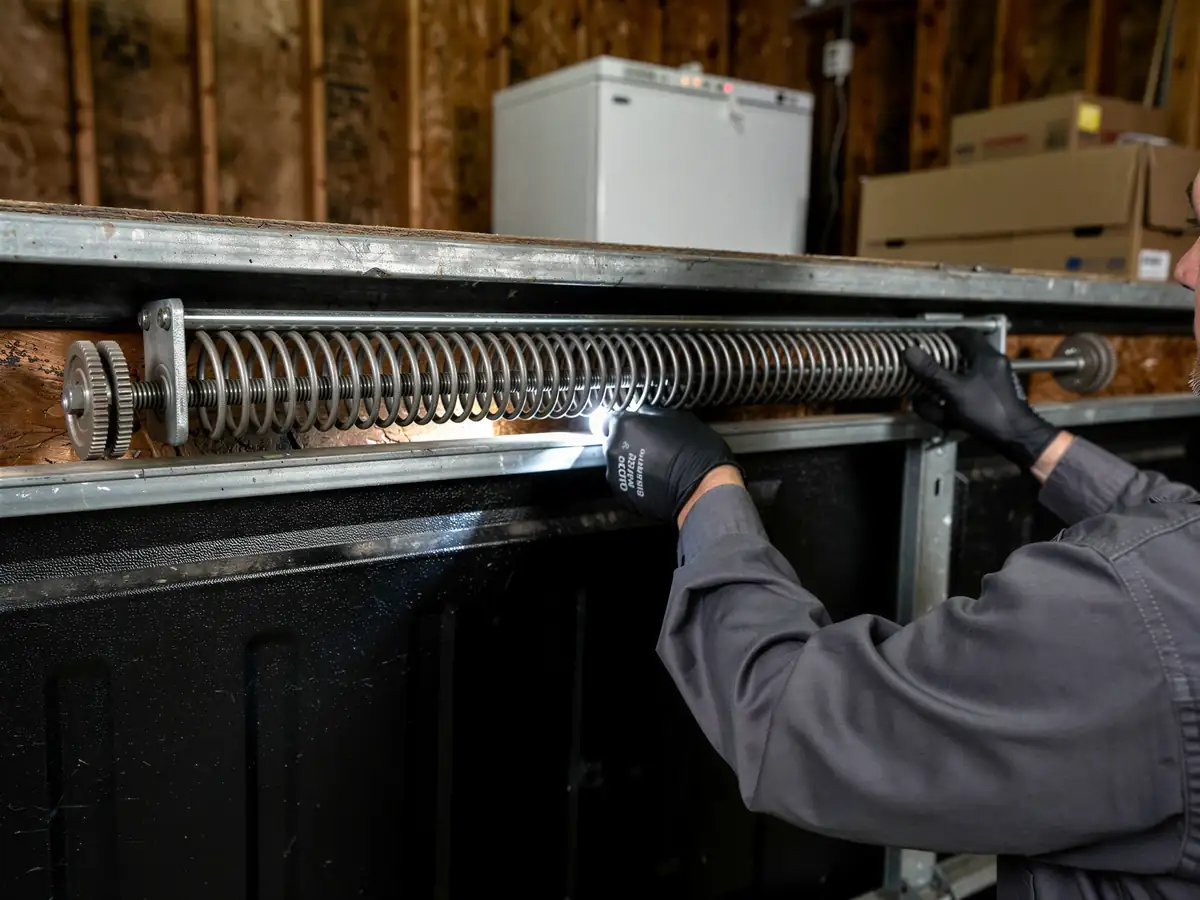
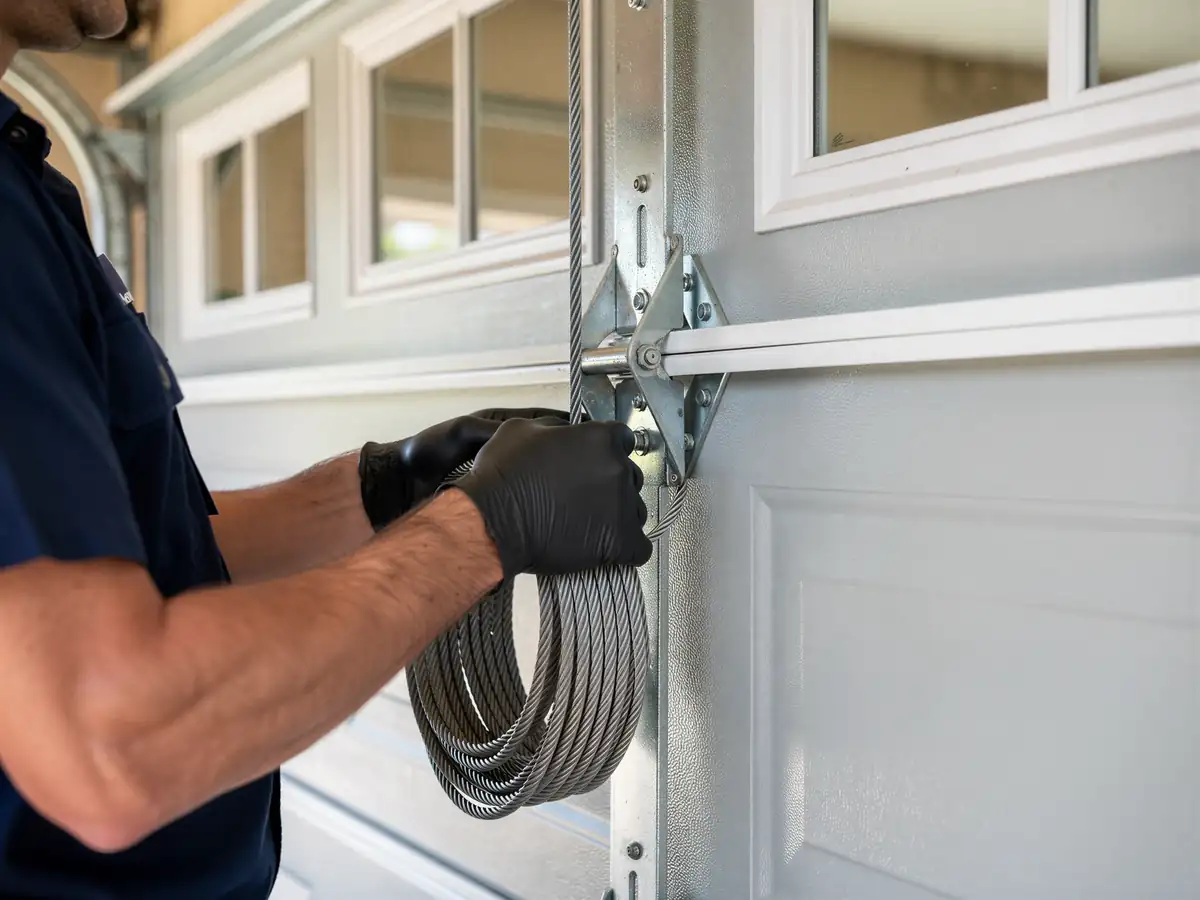
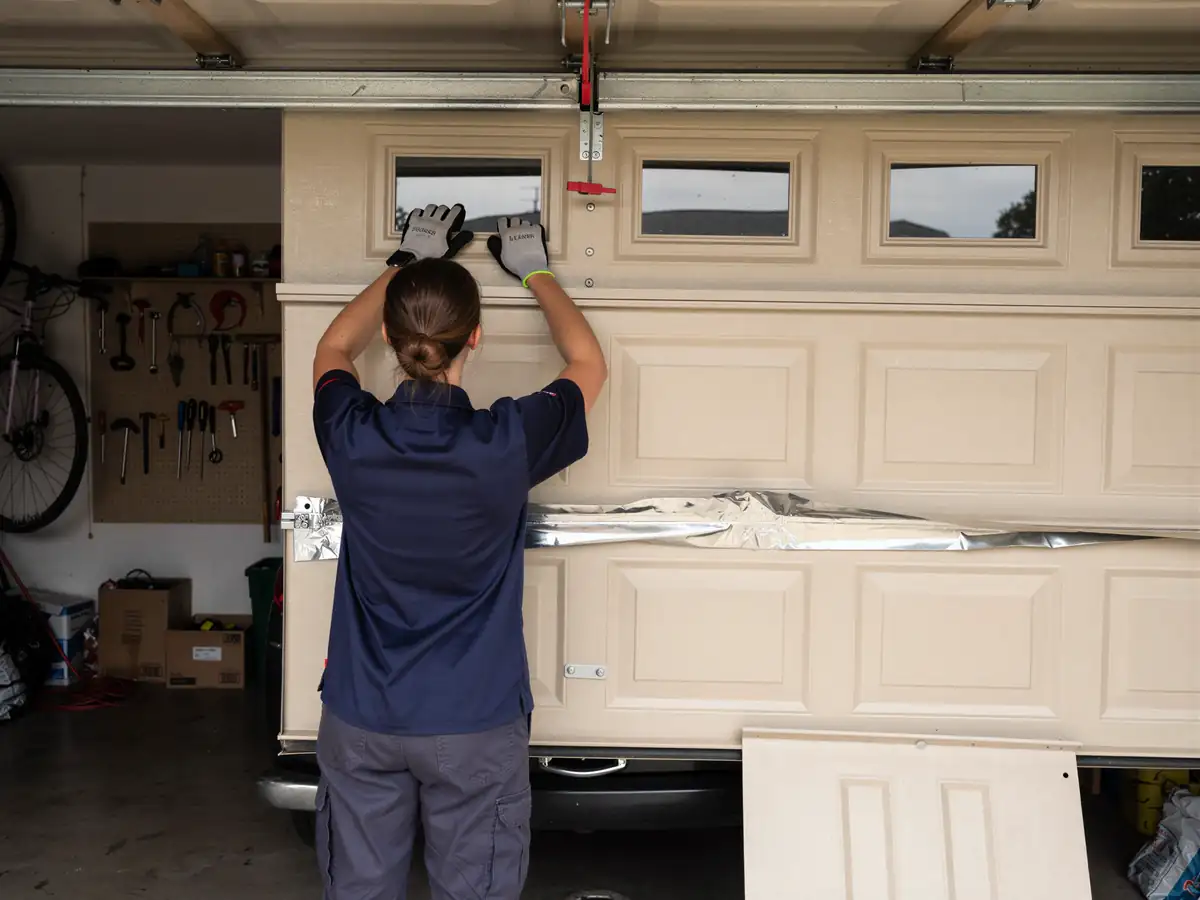
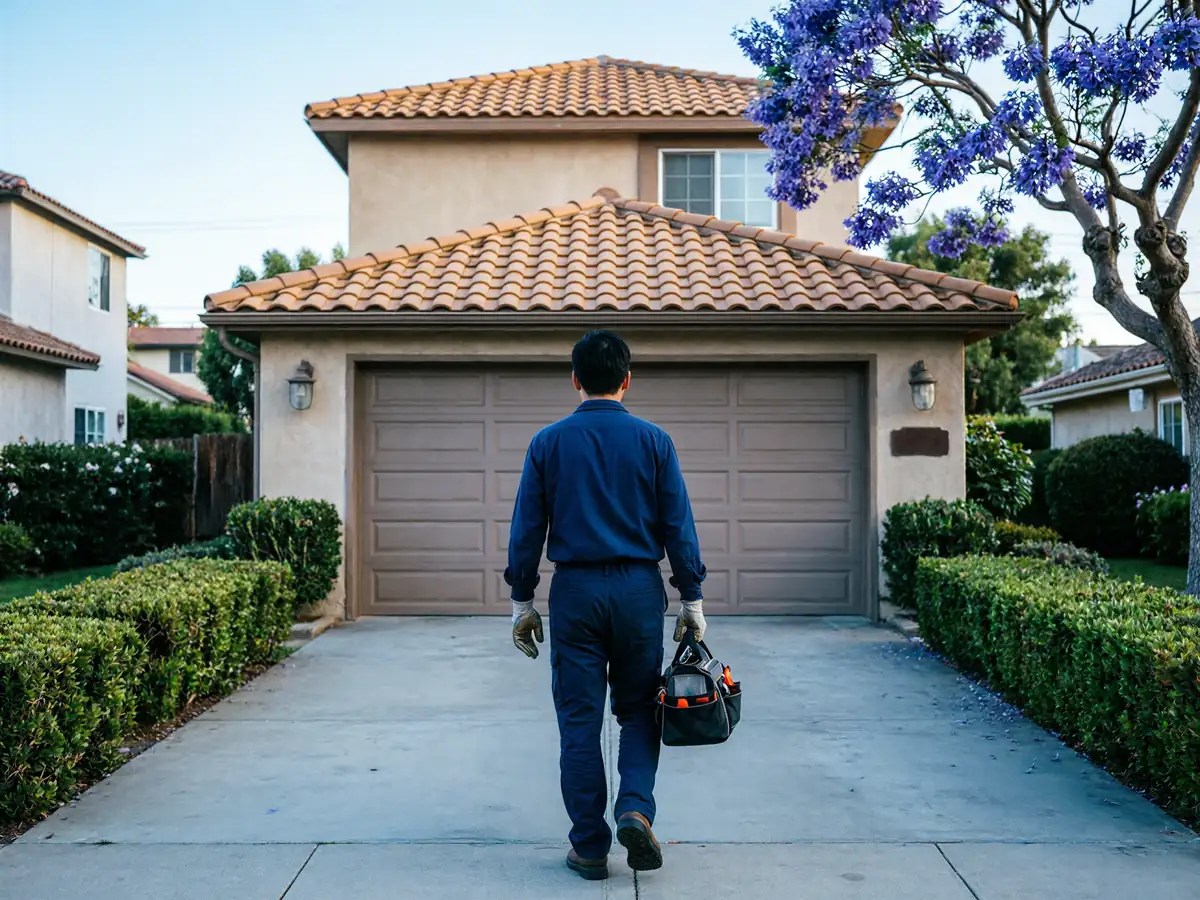
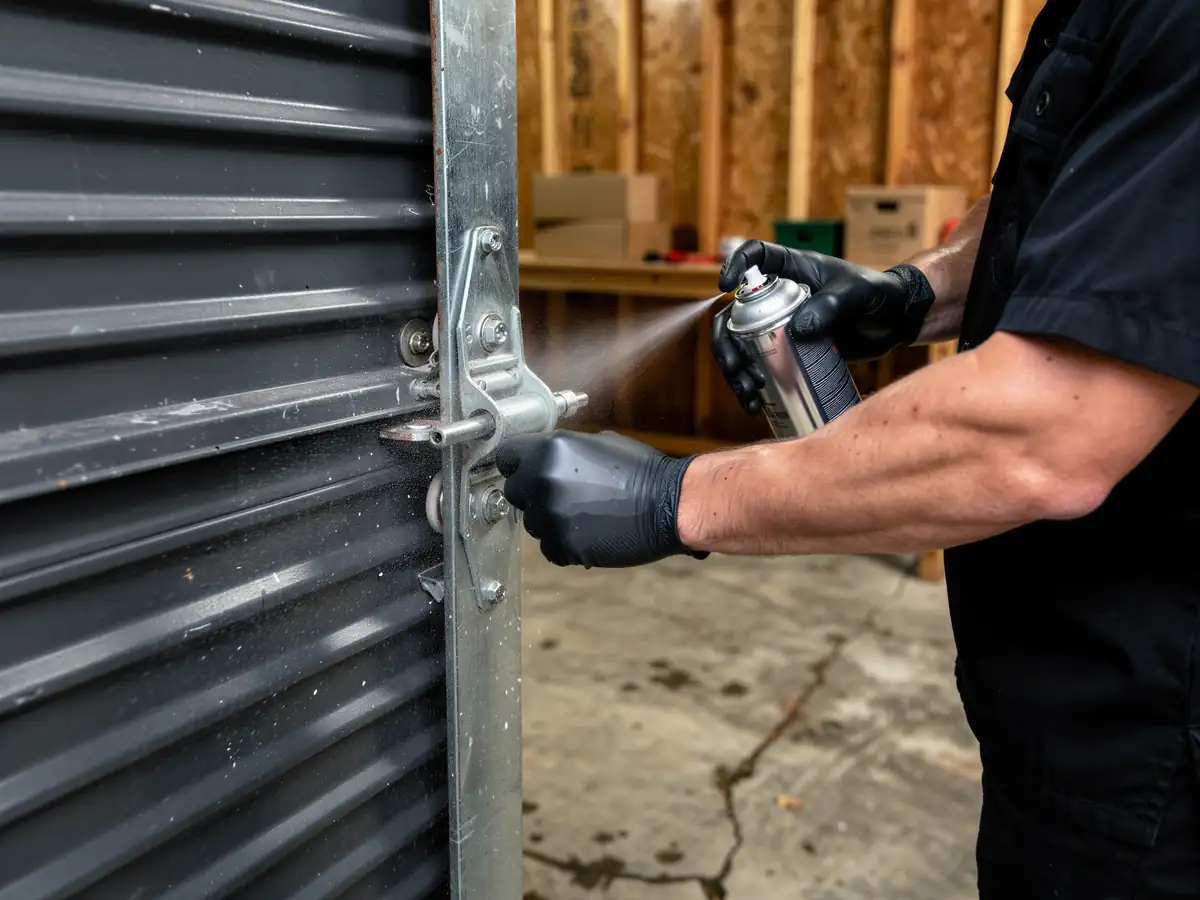
Most of the houses we see work on in Westmont went up around 1958, a few years ahead of the 1961 median for the wider service area. That matters because doors and openers installed or replaced on these homes over the decades tend to be a mix of original steel sections on older extension-spring setups and later retrofits that never quite matched the original track geometry. Our maintenance visit starts with the spring system, since extension springs on houses this age are the part most likely to be mismatched or overdue for replacement. We check cable fraying at the drum, track alignment against the jamb, and roller wear, then move to the opener itself if one's present. We lubricate hinges and rollers, tighten loose hardware at the top bracket, and test the auto-reverse safety function, which on older installs sometimes got bypassed over the years. We're not re-engineering the door. We're making sure what's there still does its job safely before something lets go.
Getting It Booked In
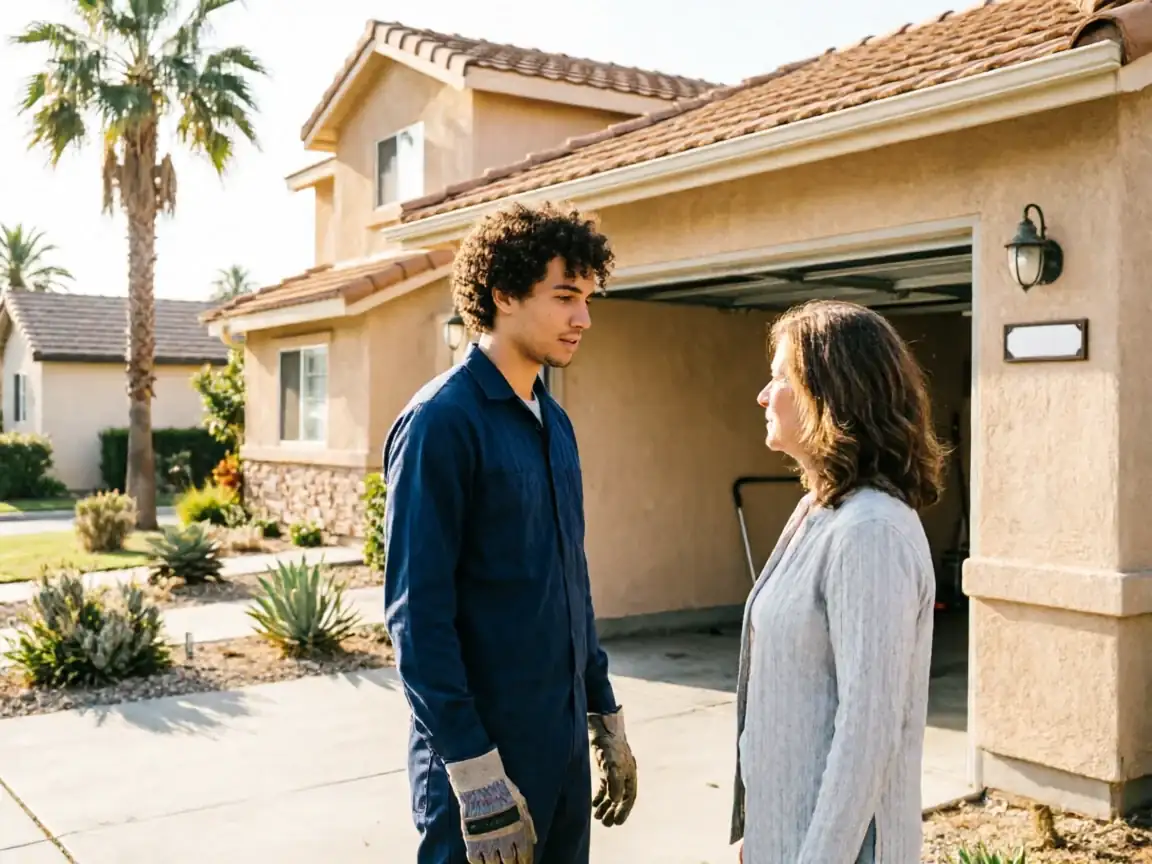
We cover Westmont from our base in Inglewood, about three miles out, along with the rest of the surrounding area. There's no separate Westmont office or crew, just the same techs making the short drive over. Booking a maintenance visit means describing what you're noticing, age of the door if you know it, and whether it's the spring, the opener, or general wear you want looked at. We don't quote a response time here since that depends on the day's route, but the drive itself is short.
Where This Job Goes Sideways
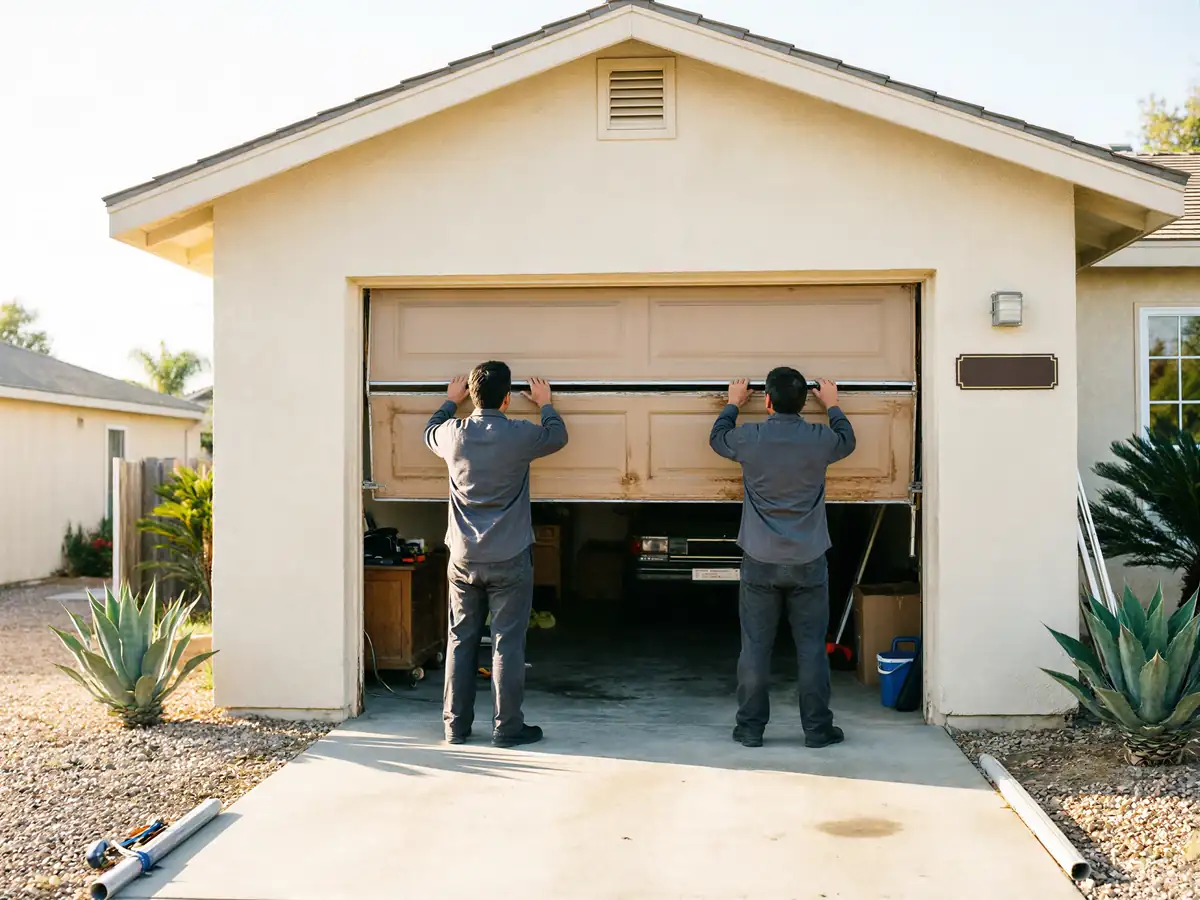
The most common surprise on homes from this era is finding a spring system that's been swapped at some point for one that doesn't match the door's weight or size. It holds fine for years, then fails without warning. Another is track that's been bent slightly out of alignment by a car bumper tap years ago and never corrected, which wears rollers faster than normal. With median household income in Westmont running lower than the service area average of $93,882, we also see more cases where maintenance got deferred past the point of a simple fix, so a tune-up turns into a parts conversation. We'll always tell you straight if a repair isn't worth it compared to replacing the unit.
How It Shows Up
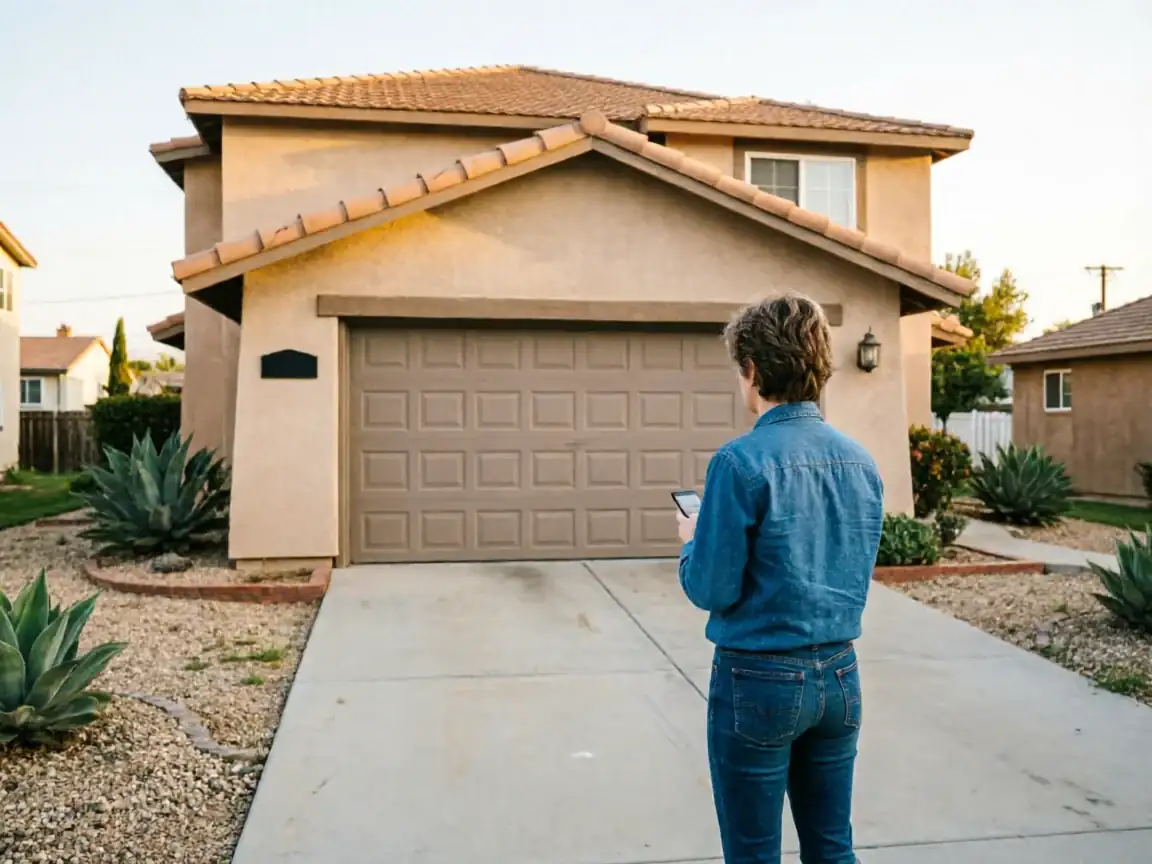
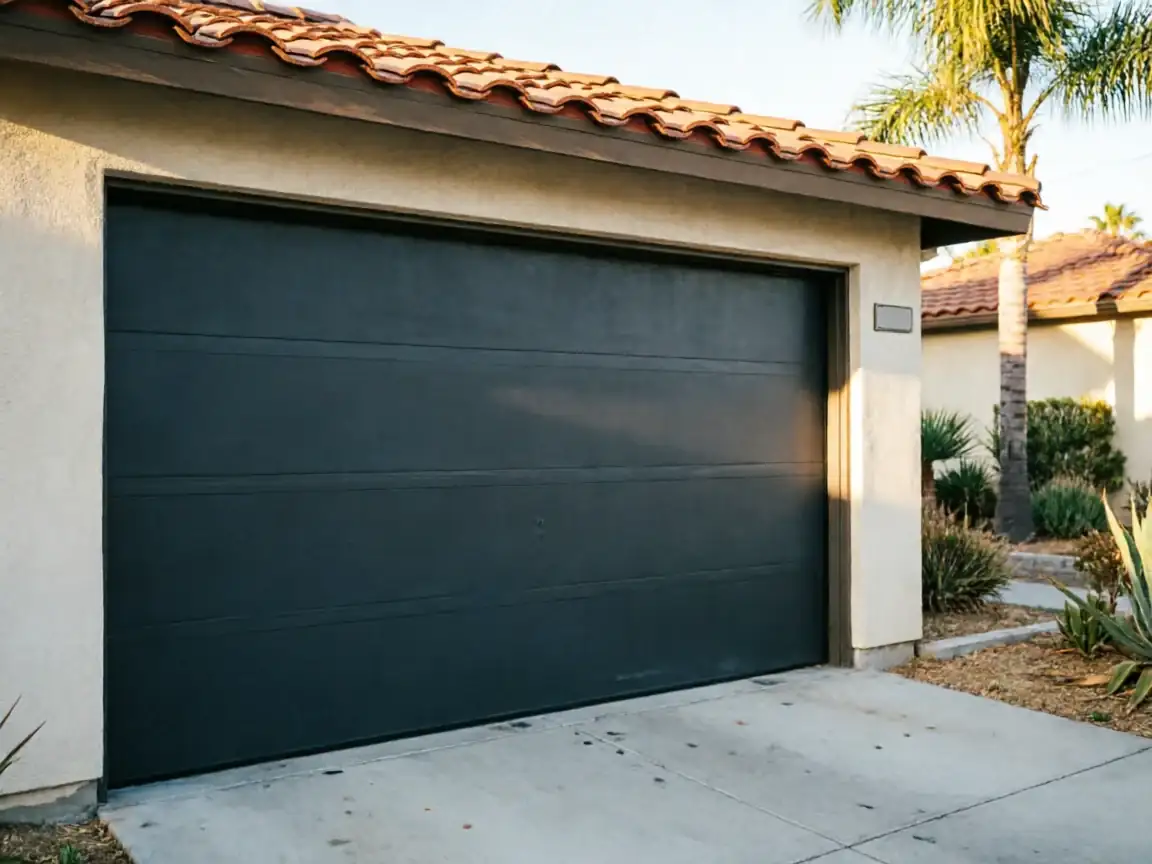
On a house from 1958, the warning signs usually start small: a door that hesitates partway up, a louder-than-usual bang when it closes, or a slight sag at one corner when it's down. The mild coastal-influenced climate here doesn't put the same stress on hardware that extreme heat or cold would elsewhere, so corrosion and temperature-driven failures are less of the story than straightforward age and wear. What we're usually catching is metal fatigue in a spring that's done its thousands of cycles, or a track that's slowly worked loose from its original mounting over sixty-some years of use.