How We Fix It
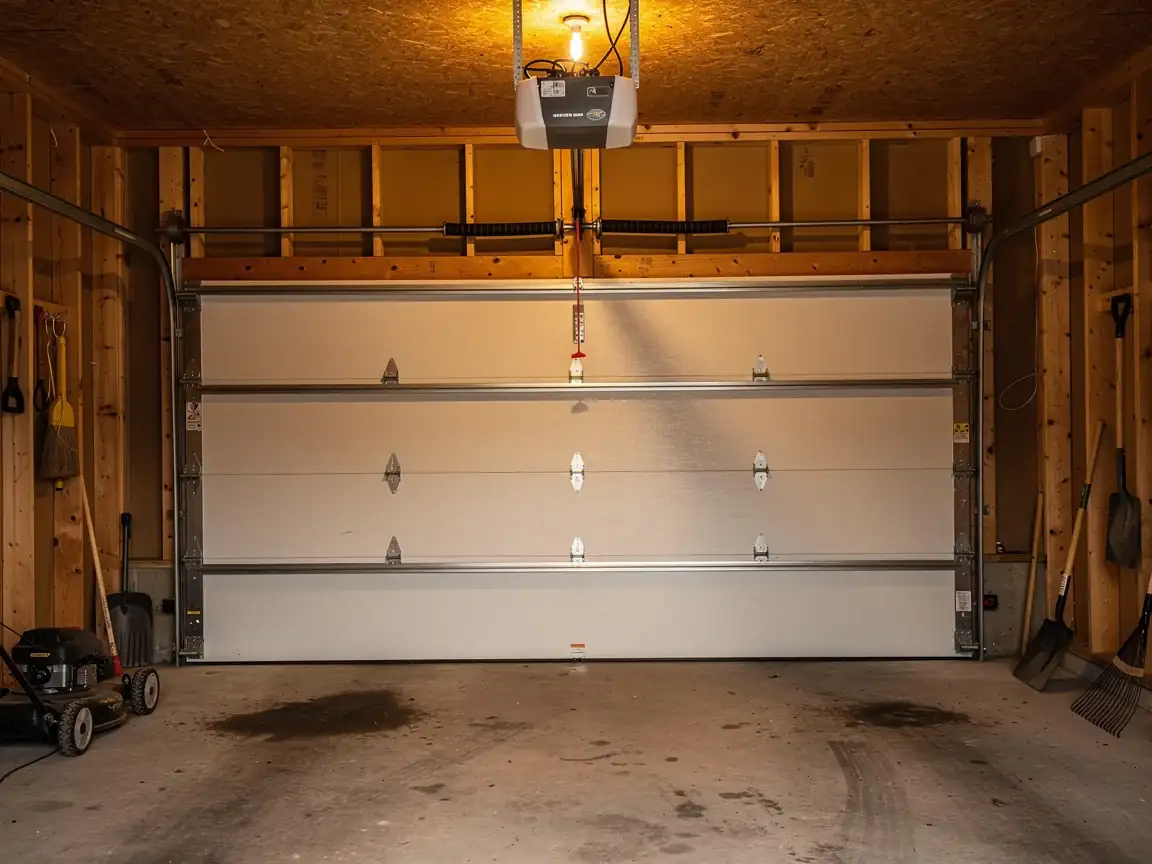
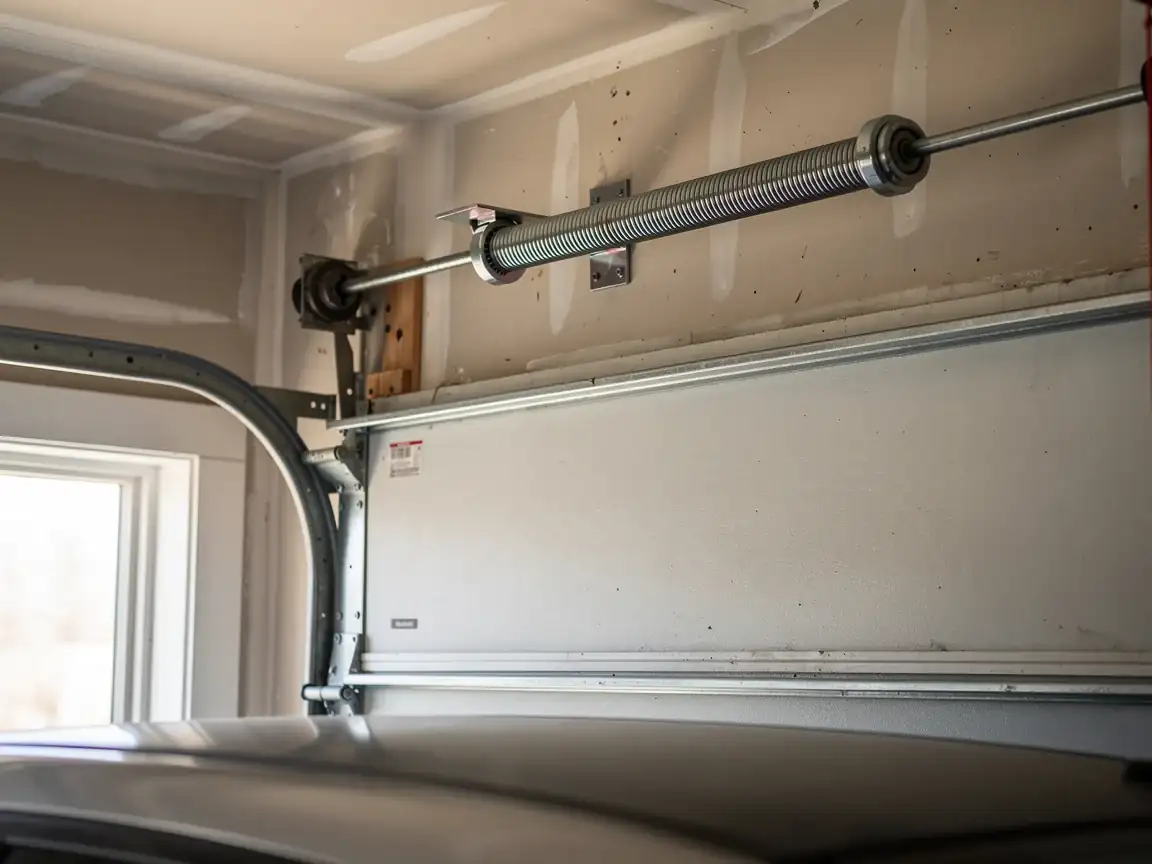
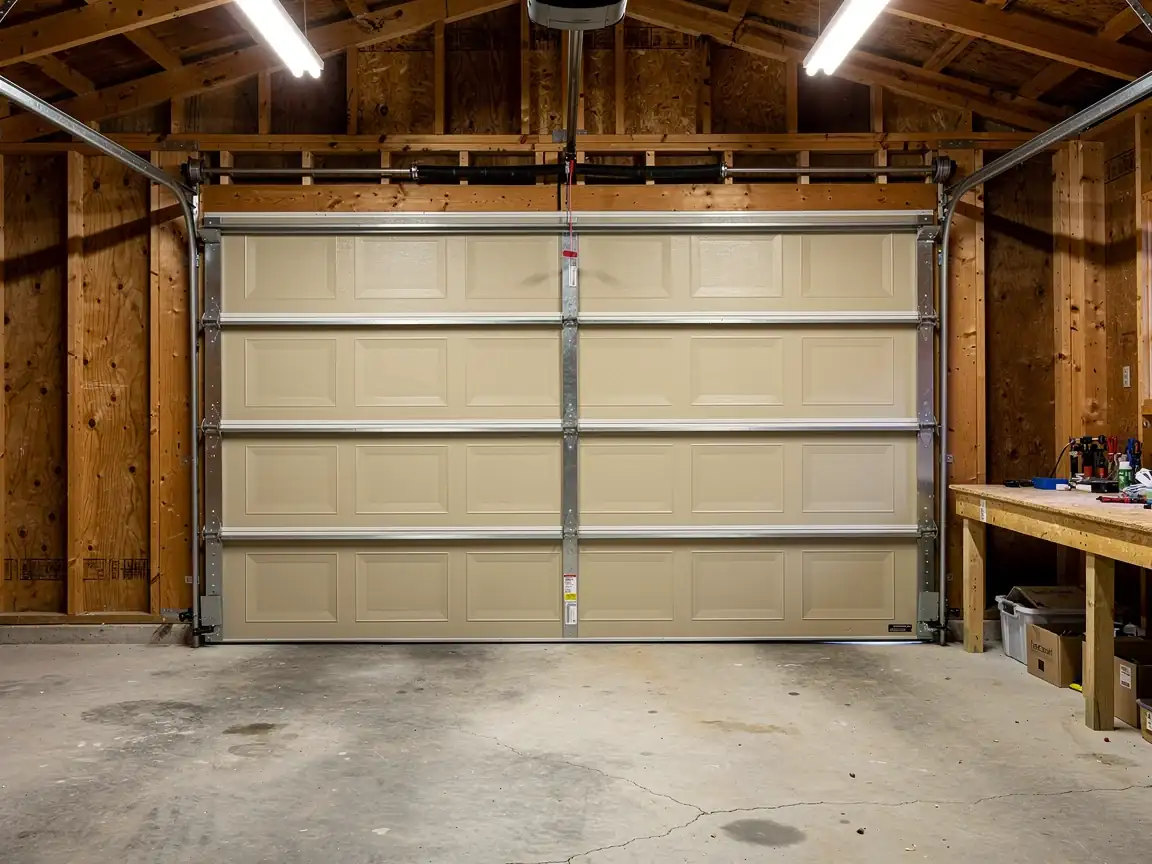
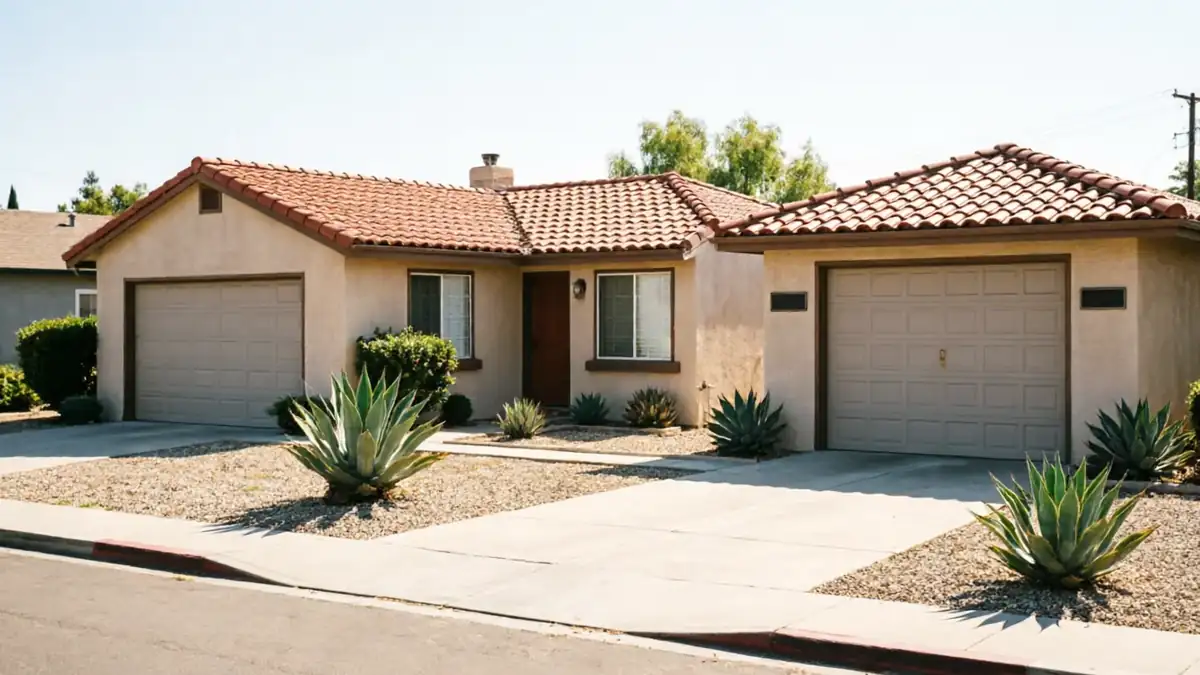
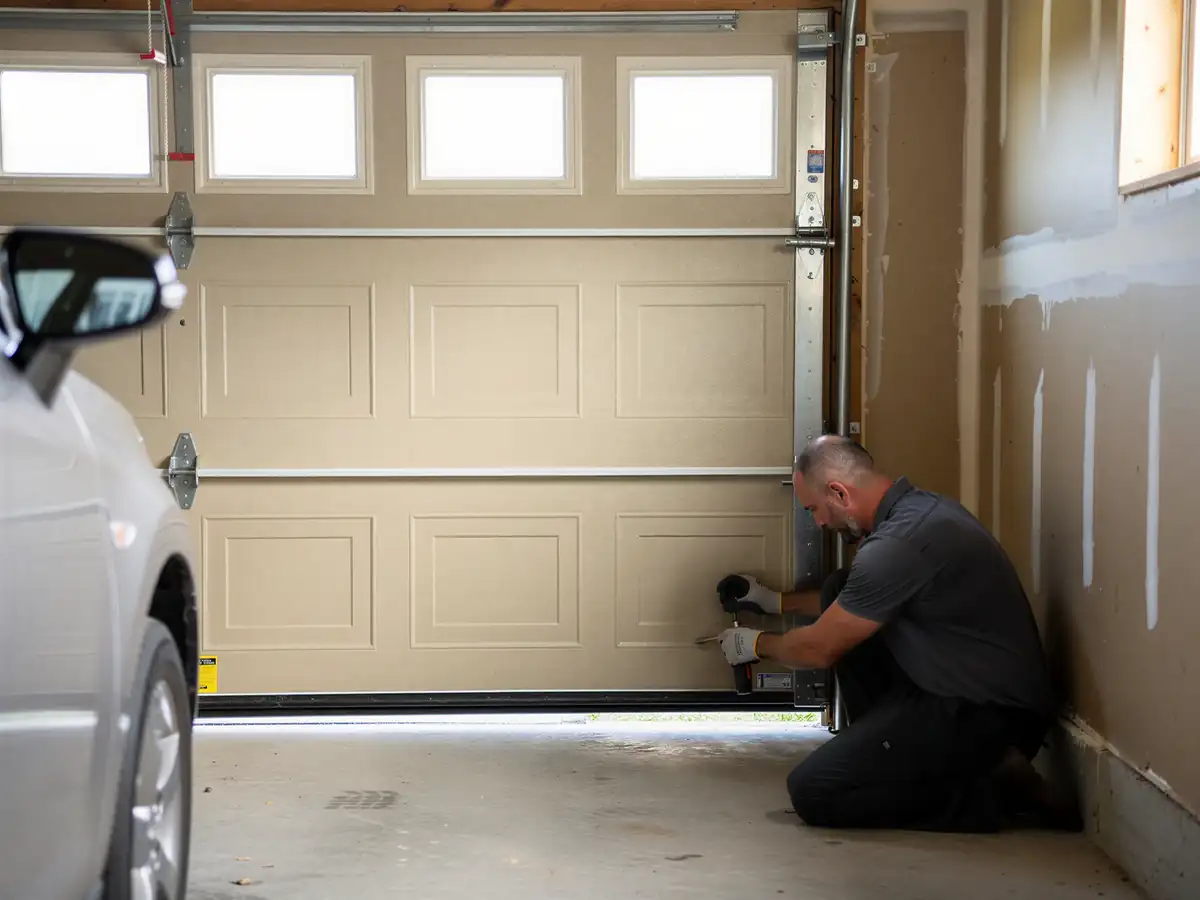
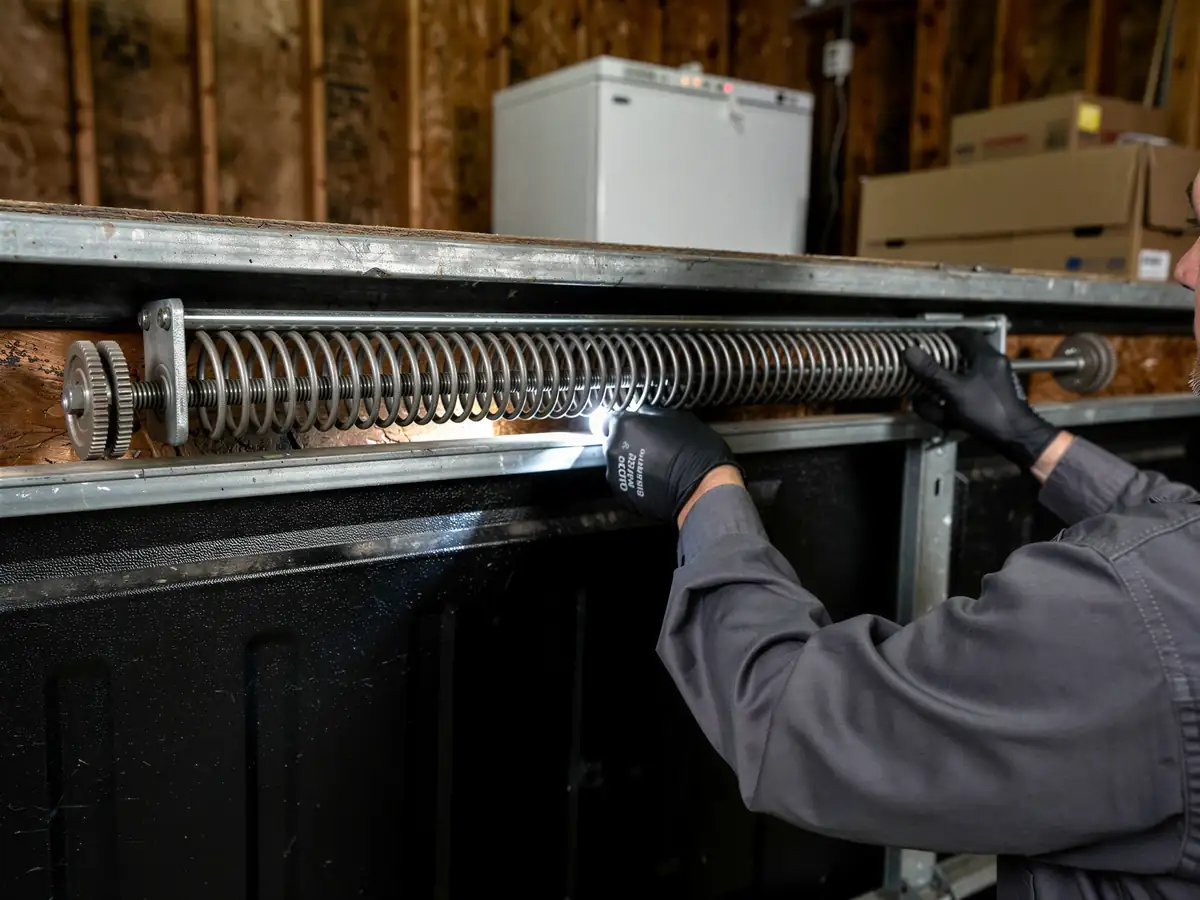
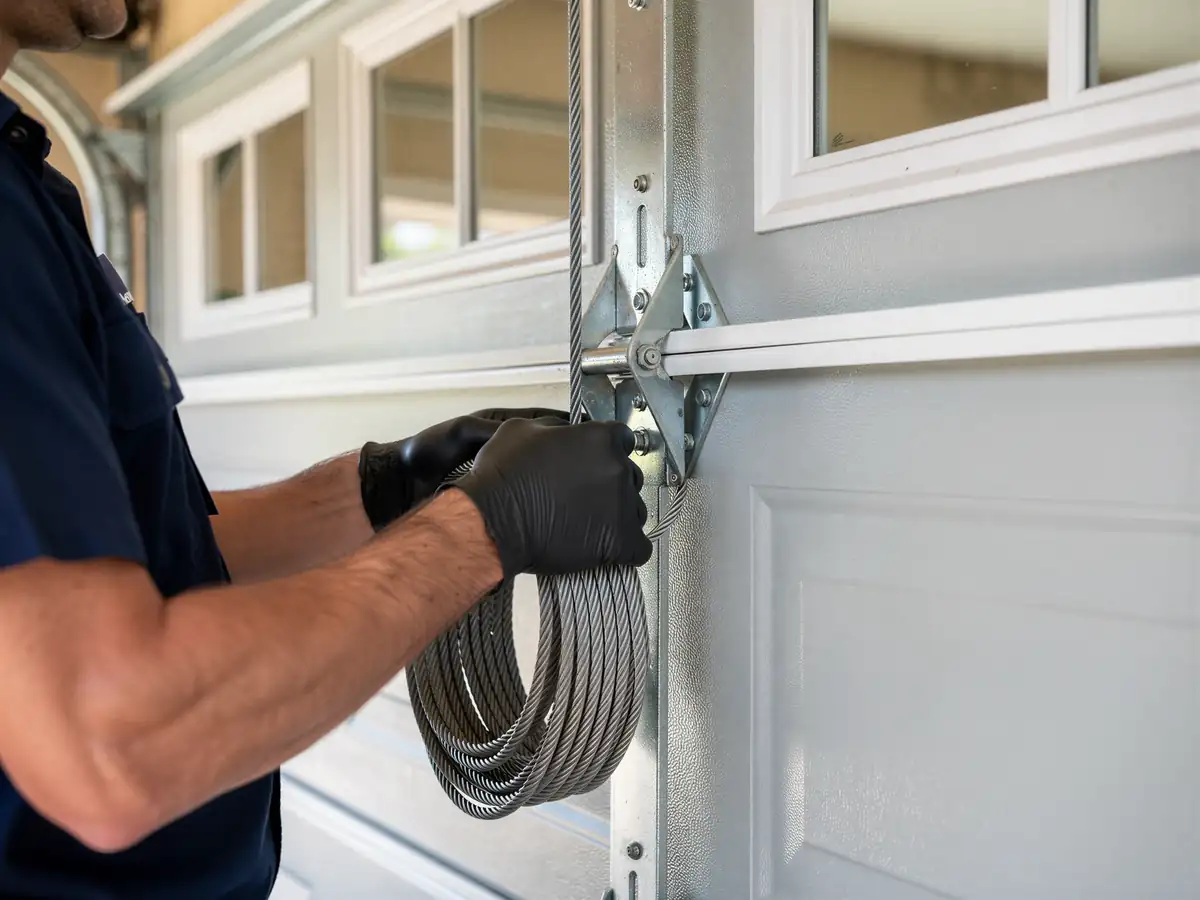
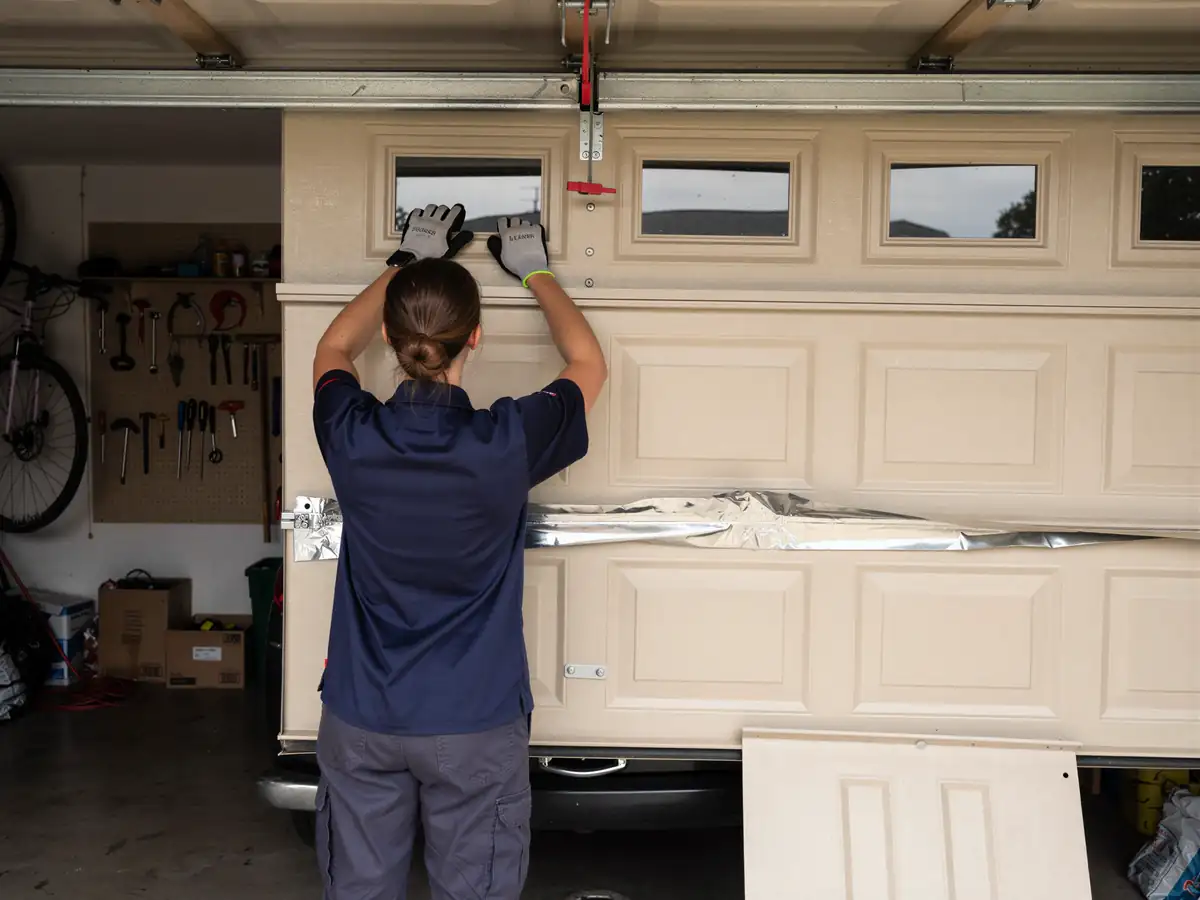
Most garage doors on this side of Westmont went up around 1958, when a single-car attached garage with a steel or wood-composite door was standard on a narrow lot. These are usually one-piece or narrow two-panel doors, 8 or 9 feet wide, hung on hardware that was never meant for the 30-year lifespan it's gotten. When a torsion spring lets go on a door this old, the drum and cable are often original or close to it, and the track brackets have been through decades of expansion and contraction. We pull the broken spring, check the drums and cable condition before reusing them, and swap the opener's drive gear if it's stripped rather than just resetting the travel limits. On a door this size the fix is usually a spring and cable job, not a full tear-out, unless the track itself has bent from years of a slightly undersized opener straining against it. We carry common torsion spring sizes for residential doors this age on the truck, which covers most of what breaks on a single-car door from this build period.
Getting It Booked In
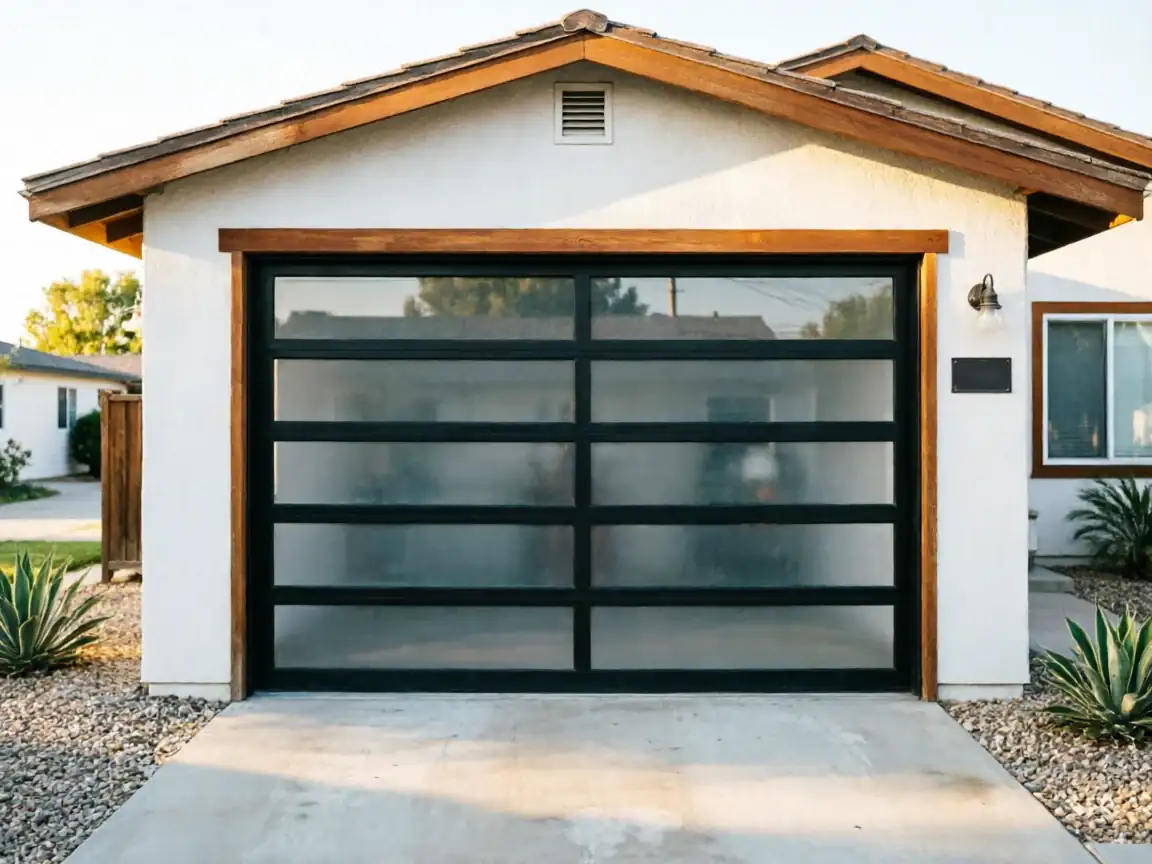
We run out of Inglewood, 3 miles from Westmont, so there's no separate branch or depot here - the truck comes to you. Call and describe what the door is doing: a bang and a dead stop usually means a broken spring, a door that opens crooked or drags on one side points to a cable or roller problem, and a door that just won't respond to the opener but moves fine by hand usually means the opener itself. That description tells us what to load before we leave, which matters on an older single-car door where the right spring size isn't always the common stock size. Westmont's 10,532 households are mostly owner-occupied single-family homes, and most of the calls we get here are springs, cables, and openers rather than full door replacements.
Where This Job Goes Sideways
The most common surprise on a 1958-built door is a track that's been quietly bent for years by an opener straining against a binding spring. The spring breaks, we replace it, and the door still won't run smooth because the track was never square. That's a second trip to true up or replace the track, and we won't know it's needed until the spring tension is off and we can see how the door actually travels. Another one: galvanized hardware from this era sometimes has enough surface rust that a cable we'd normally reuse needs replacing anyway, which adds a small amount to a job that looked like a straight spring swap over the phone. We'll always tell you before we do extra work, not after. The honest limitation here is parts - a less common spring size or an obsolete opener part can mean a return trip instead of a same-visit fix, and we'd rather say that upfront than promise a finish time we can't guarantee.
How It Shows Up
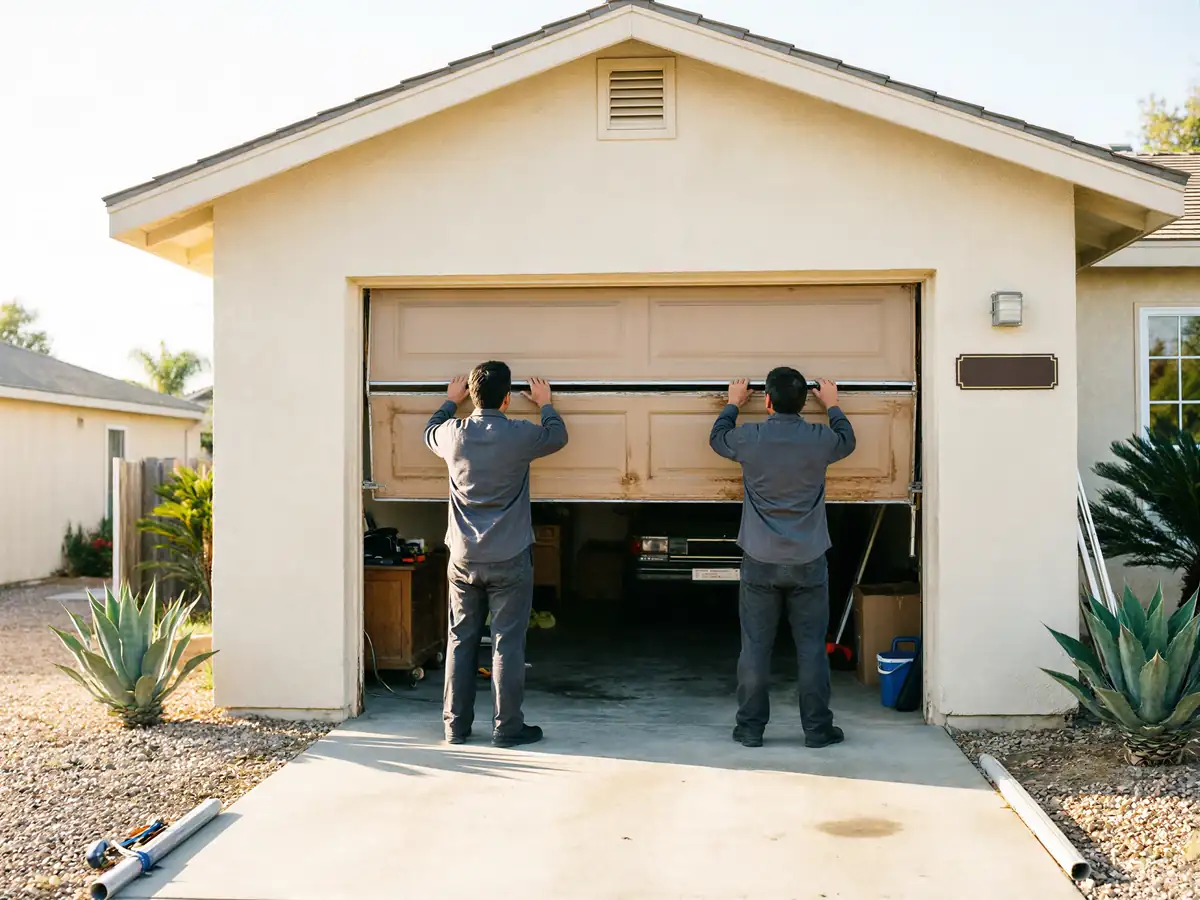
The call usually starts the same way: the door made a loud bang, then stopped moving, or it started moving crooked and someone caught it before it jammed sideways in the track. On the smaller single-car doors common here, a broken spring often means the door won't budge even by hand, since there's less door weight for a second spring or balanced hardware to compensate. If the opener is running but the door isn't moving, check the manual release first - it's a common false alarm. If you hear grinding instead of a clean bang, that's more often a worn roller or a cable starting to fray than a full spring failure, and it's worth getting looked at before it becomes an emergency call instead of a scheduled one.