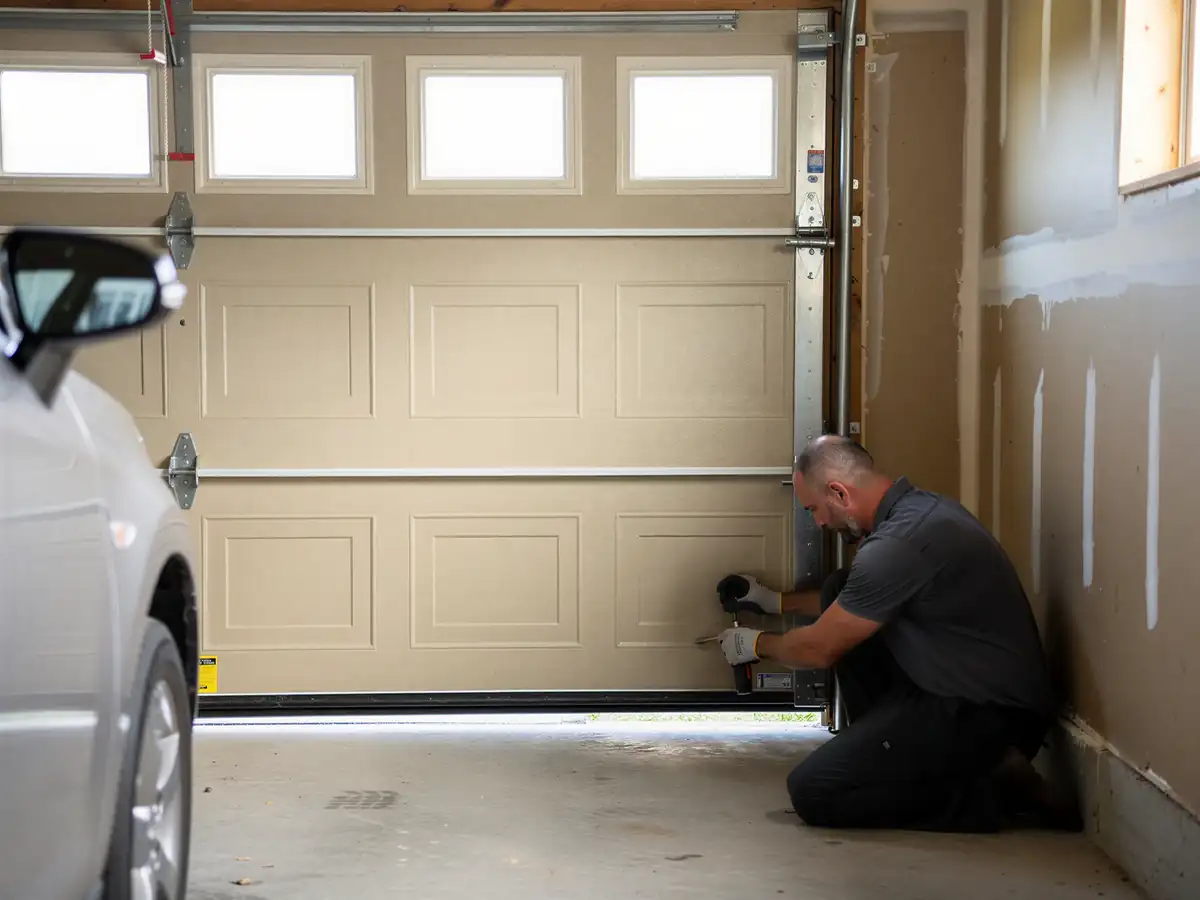
How We Fix It
The median household income in Westmont runs $47,899, well under the $93,882 median across the wider service area. That gap matters more than it sounds like it should, because it decides whether a broken spring or a stripped opener gear is a $200 call or the start of a conversation about replacing the whole door. We don't push a full door swap when a torsion spring, a cracked roller, or a worn cable is the actual problem. We fix what's broken. If the door itself is failing structurally and a repair would just delay a bigger bill, we'll say that too, but we don't lead with it.
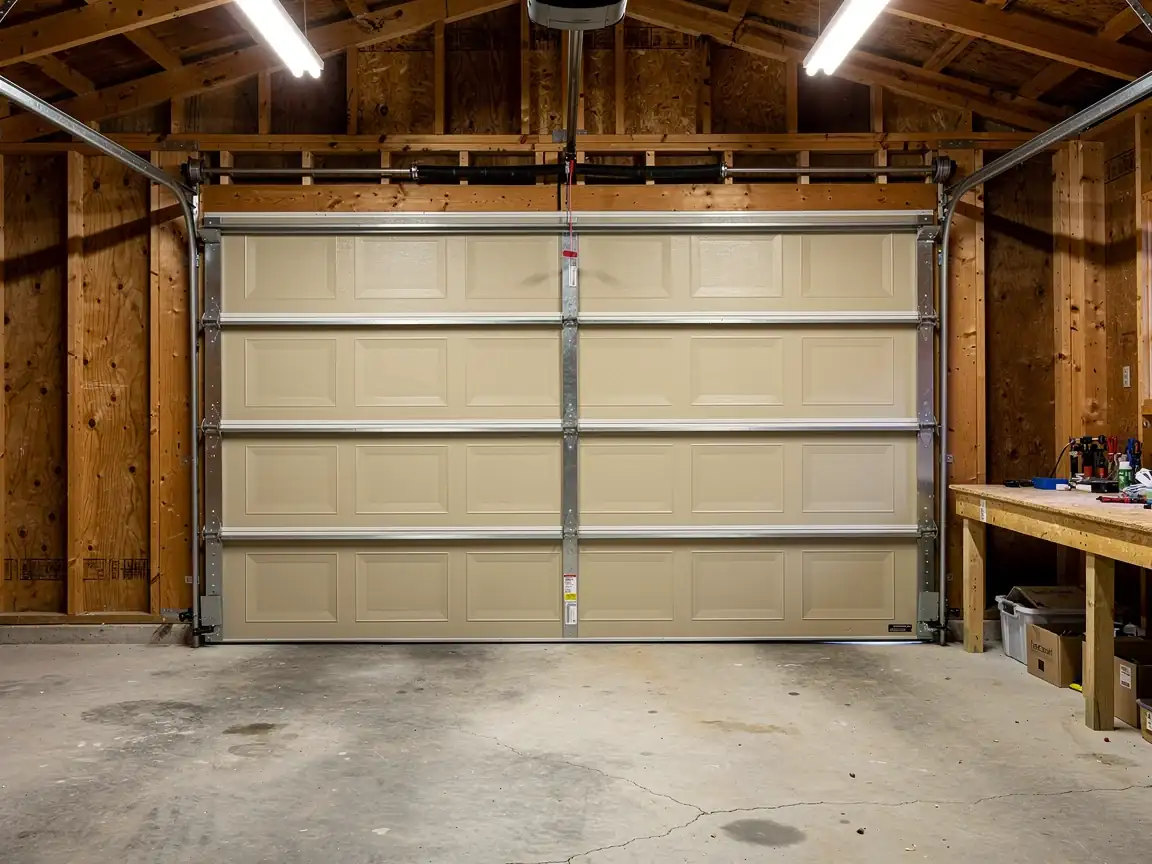
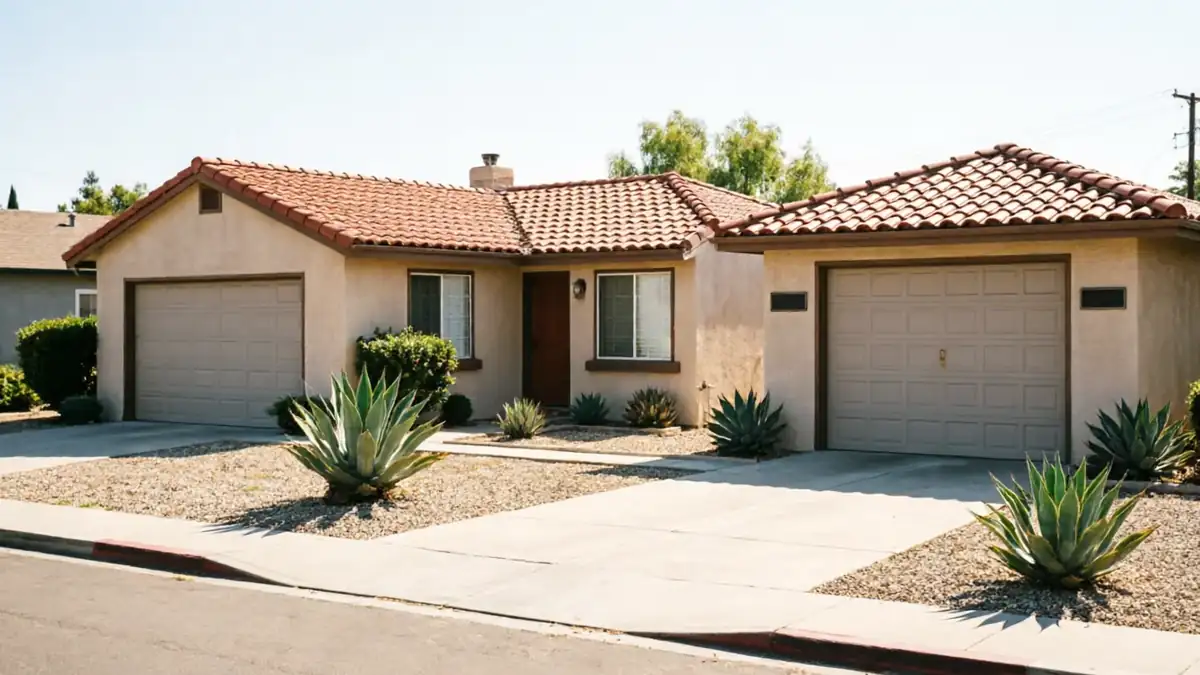
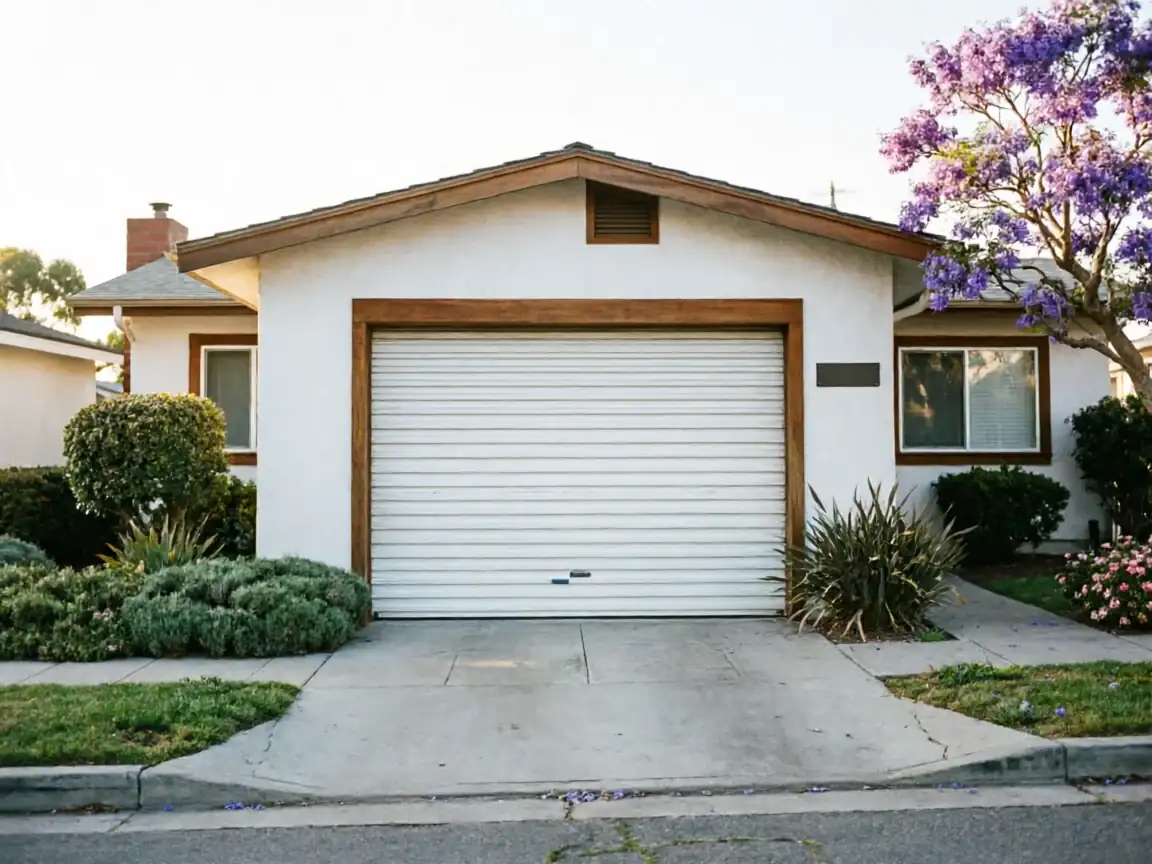
Most of the housing stock in this part of the service area went up in the 1960s and 70s, and Westmont's own median build year sits around 1958, a touch older than the broader 1961 median for the service area. Doors from that era are often original steel sectional units on hardware nobody stocks new anymore - we carry the parts that fit them, not just what's on the newest trucks. That's the repair most of these calls turn into: matching old hardware, not replacing a whole system.
The DIY Question
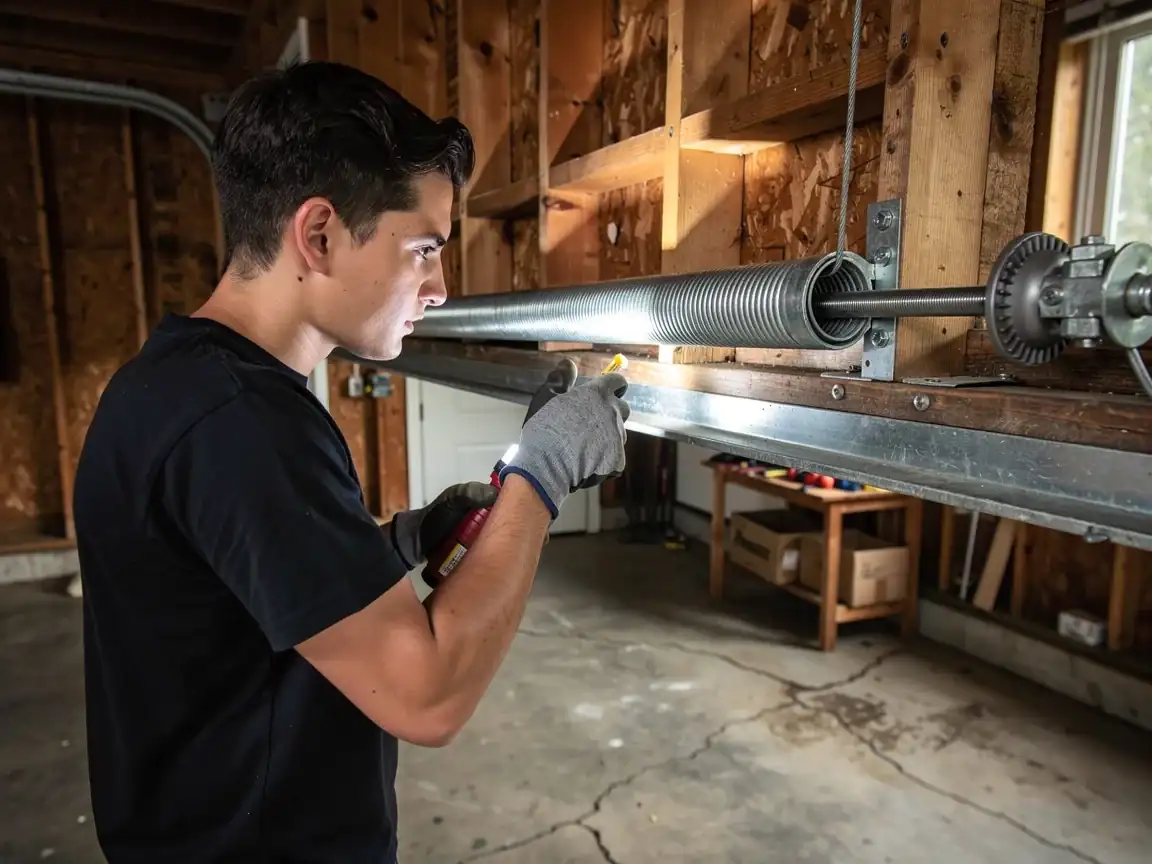
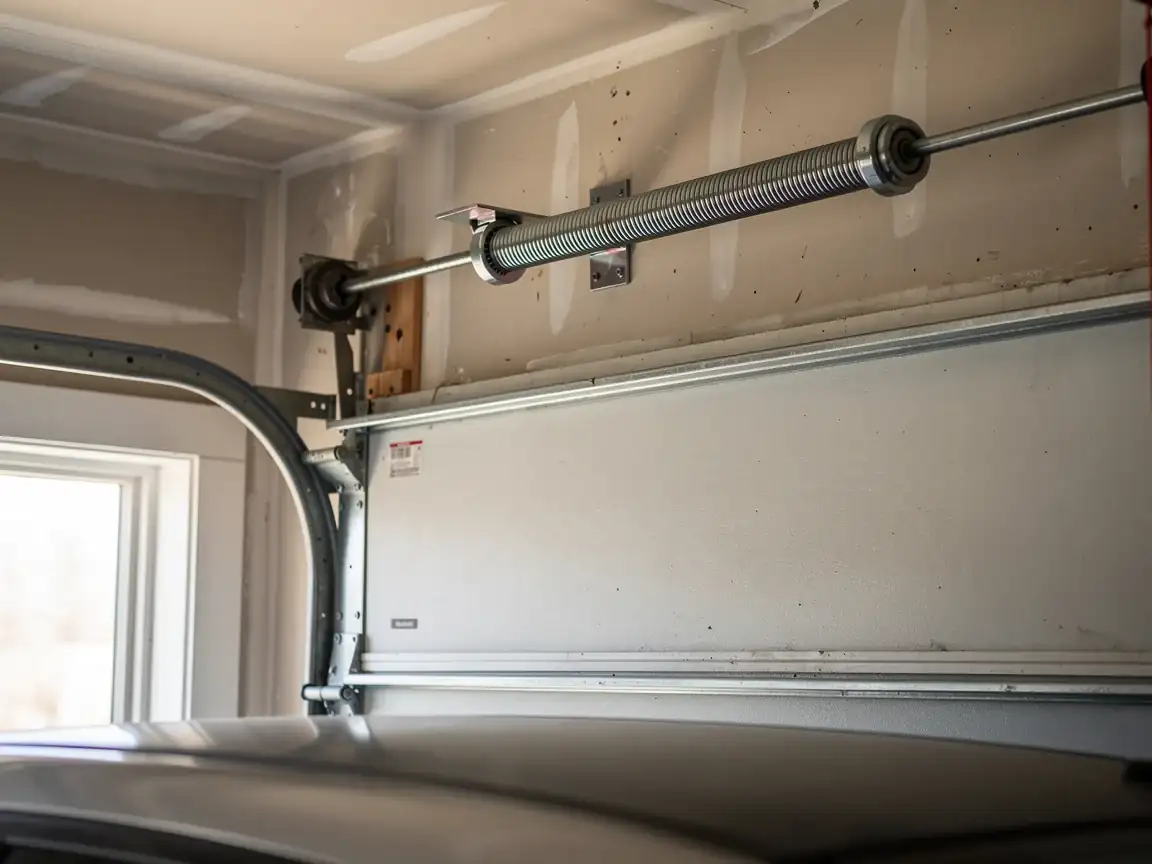
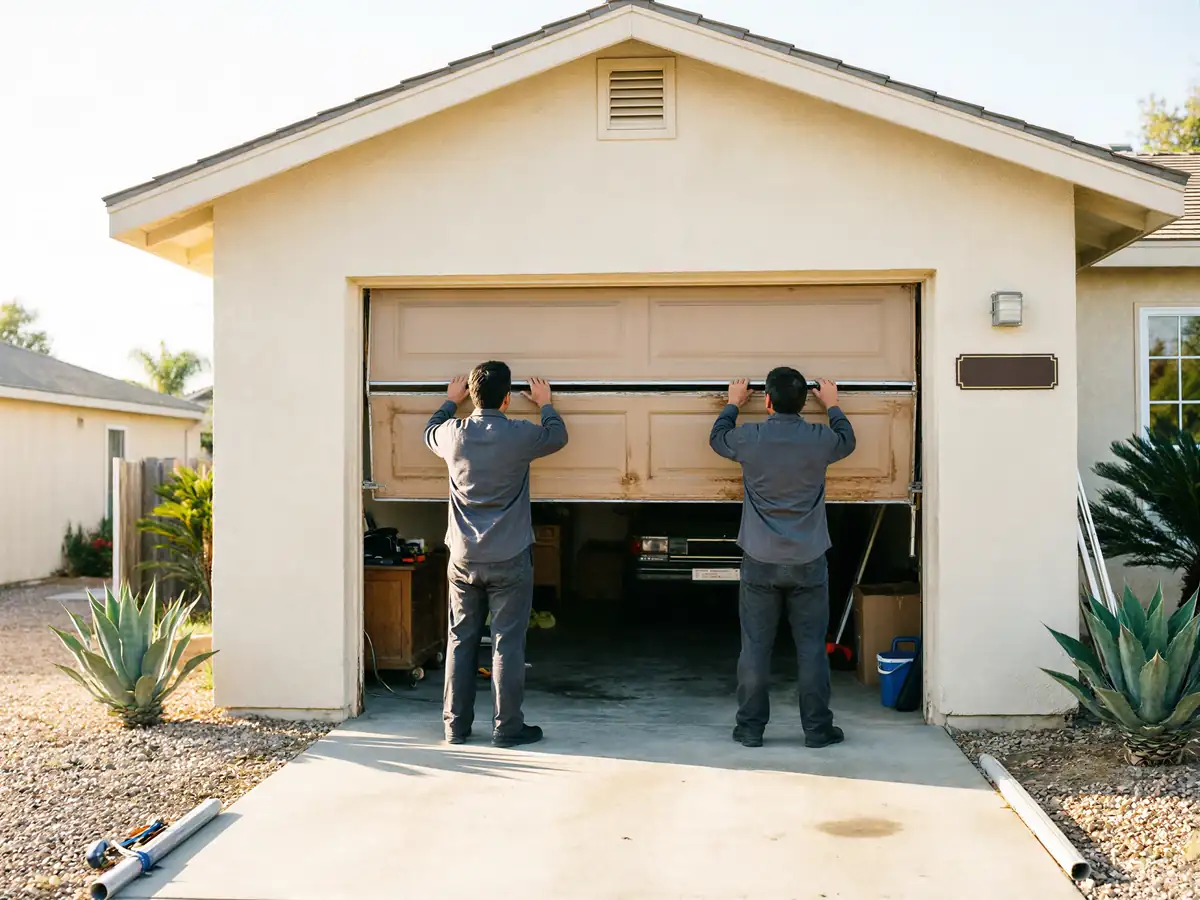
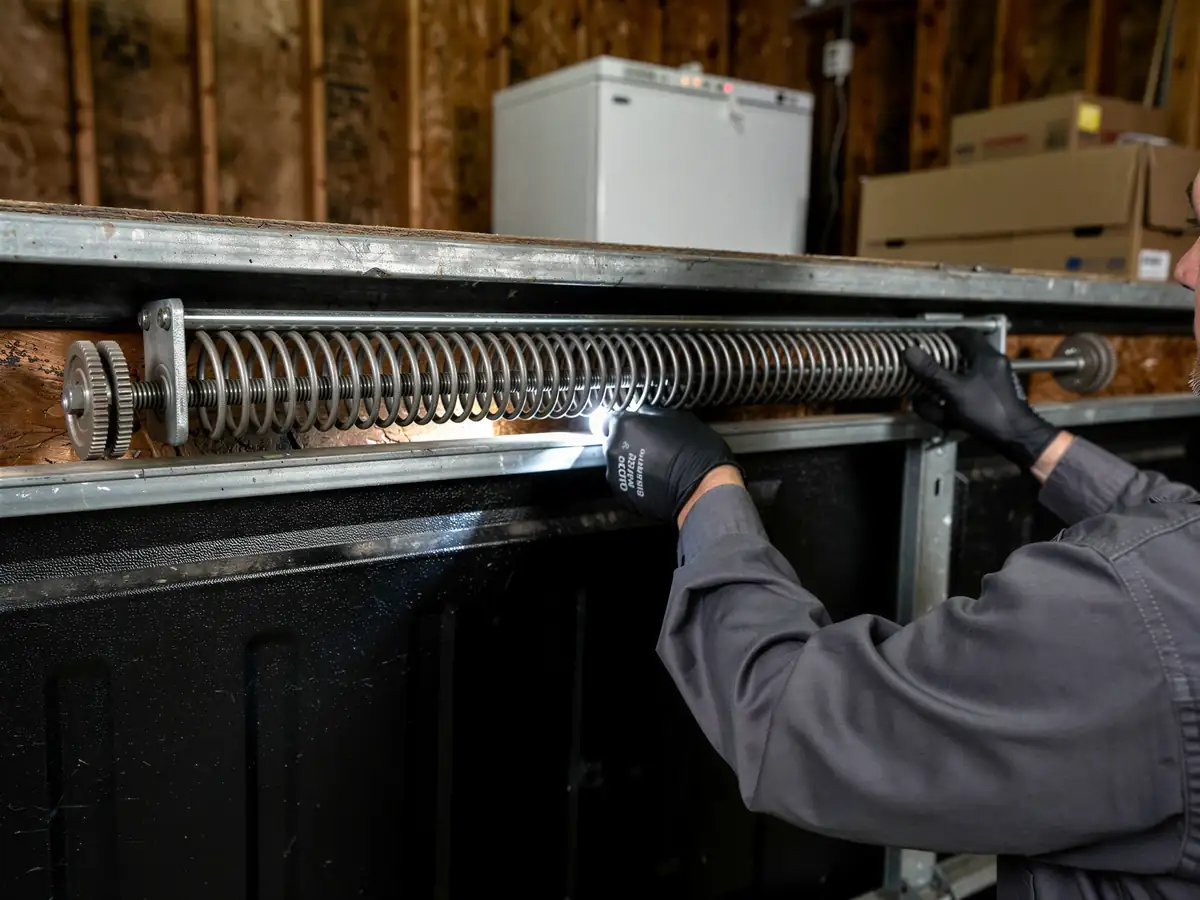
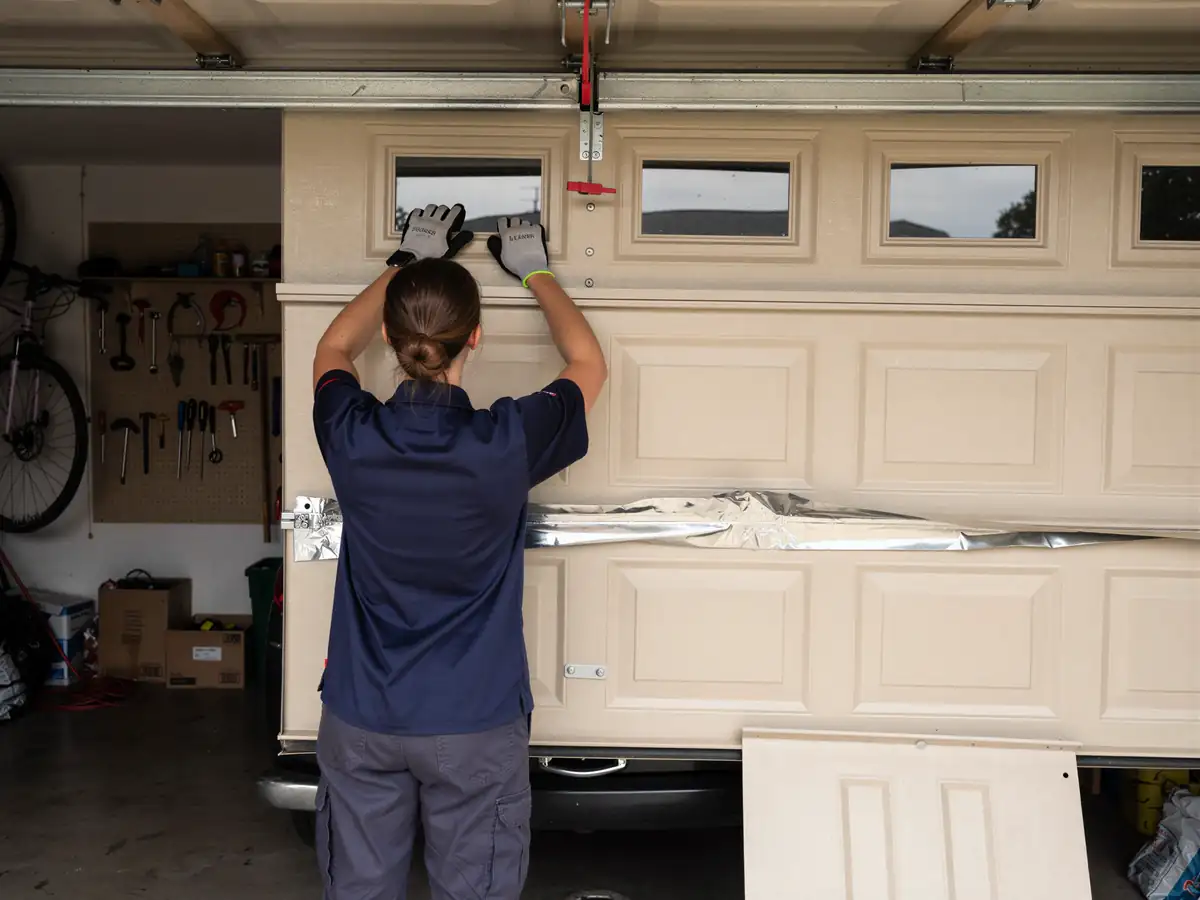
A sagging panel or a door that won't stay up looks like a weekend project until you're holding a wound torsion spring under load
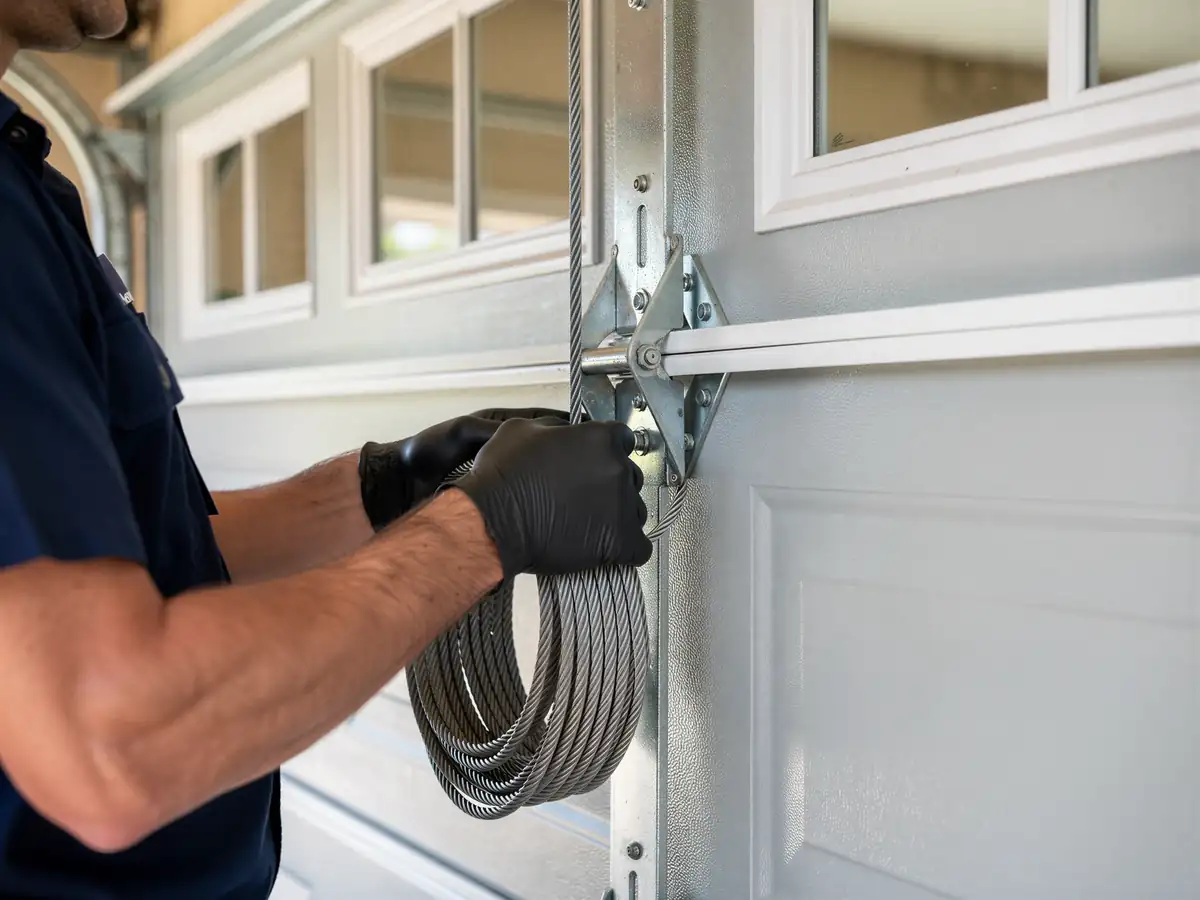
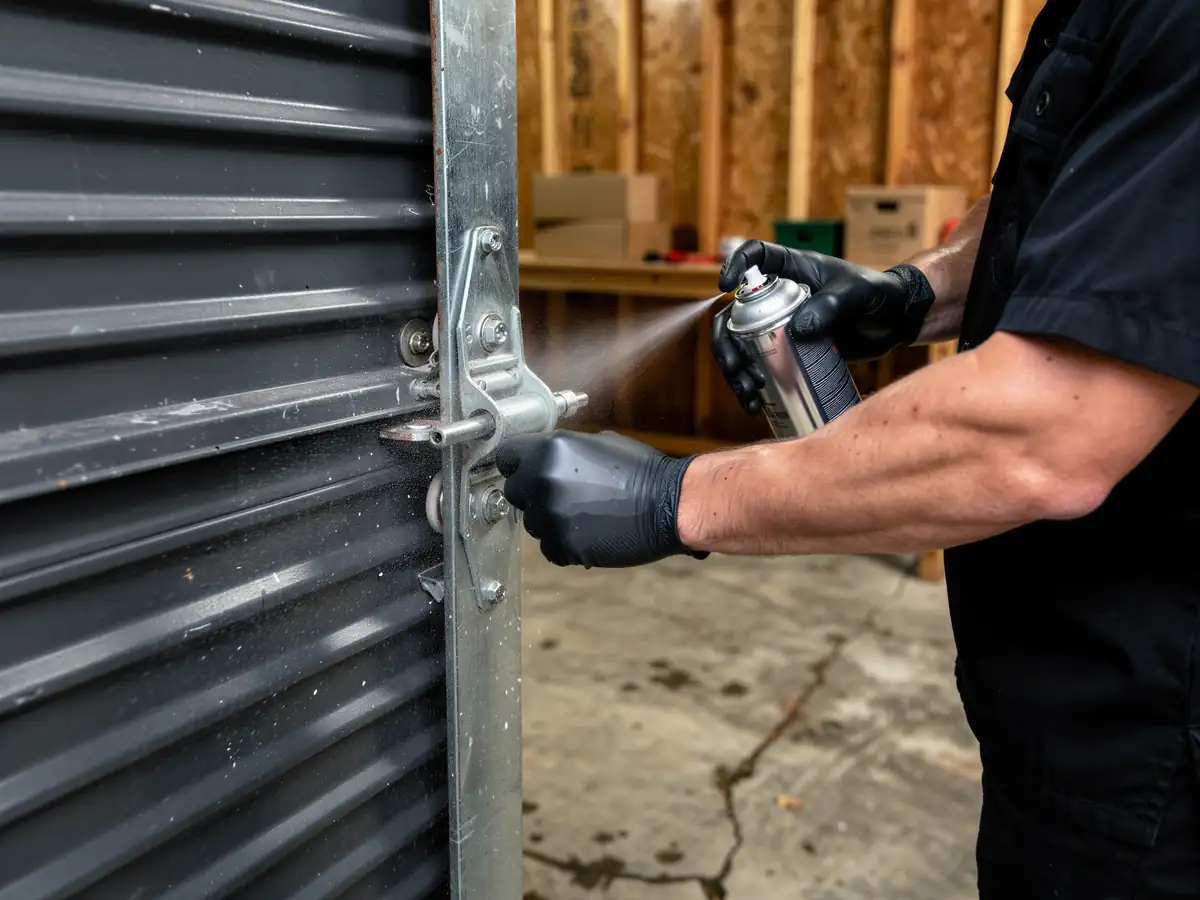
That part has killed people who treated it like a bolt job. Rollers, weatherstripping, lubing hinges - fine, do it yourself. Springs, cables, and anything on the torsion bar, don't.
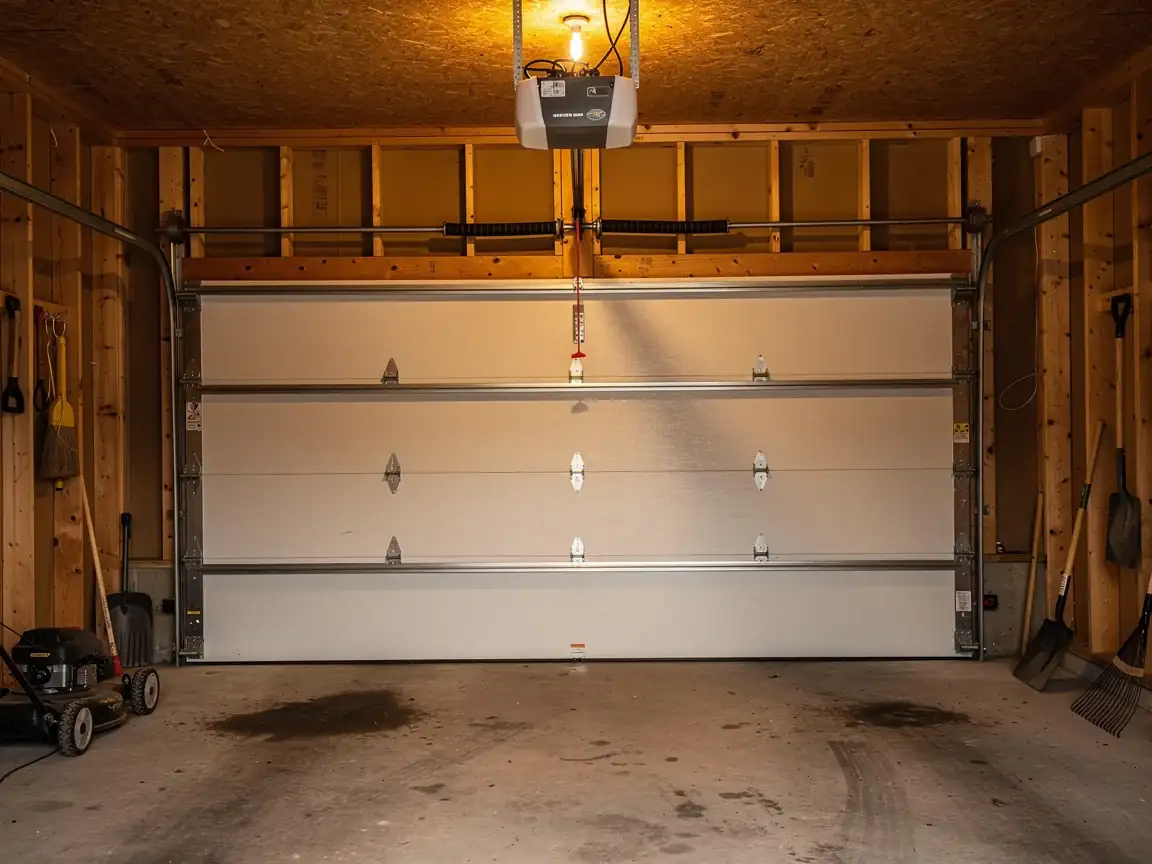
On houses built closer to 1958, the opener is often a second- or third-generation replacement bolted onto original track and hardware that's decades older than the motor
That mismatch is exactly the kind of thing a DIY fix misses: you tighten the visible problem and the real wear is somewhere upstream in the track alignment or the original spring mount. We see it often enough in this part of the service area that it's worth saying plainly before someone reaches for a wrench.
Getting It Booked In
We run out of Inglewood, about 3 miles from Westmont, so there's a short drive built into every call here - we're not pretending to have a local branch on your street. What we can do is come with the right spring size and cable length for the doors common to houses from this era, instead of guessing from a generic parts bin.
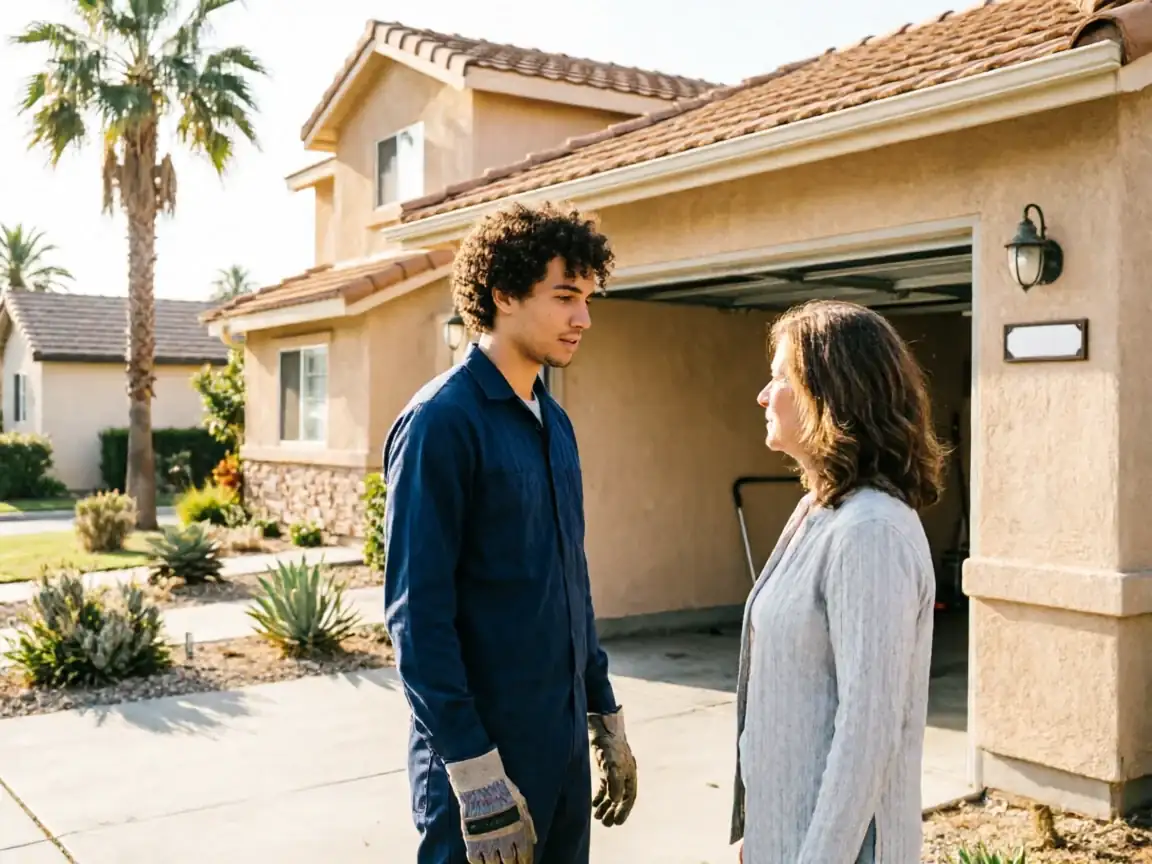
Tell us the door's age if you know it, whether it's one piece or sectional, and what it's doing - won't open, opens and reverses, off track. That's usually enough to bring the right parts the first trip instead of a second one.
Where This Job Goes Sideways
The repair most likely to go wrong here is a torsion spring swapped for the wrong wire gauge on an older door. On houses from the late 1950s, the spring system was often sized for a lighter original door. If that door's been replaced once already with a heavier insulated panel, the old spring spec is wrong, and a repair done to the original numbers won't hold.
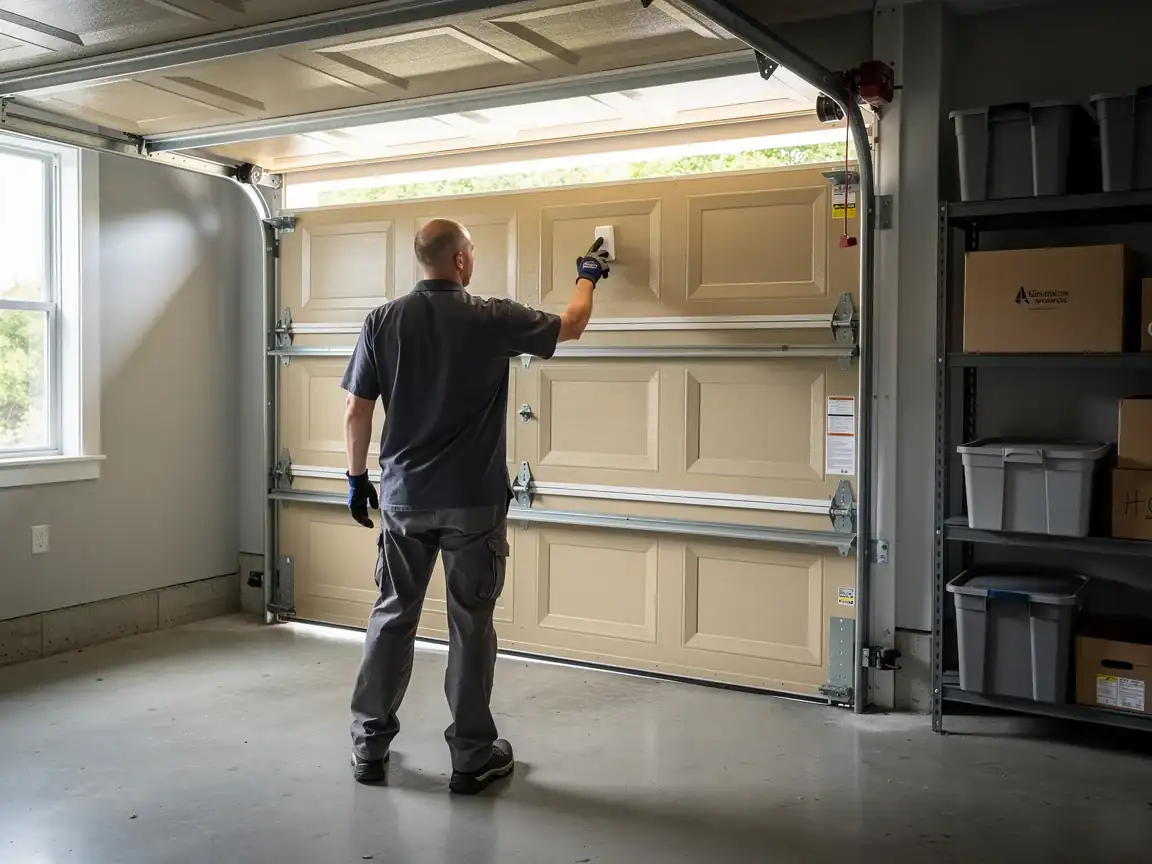
The other failure point: openers added later, bolted to original track that's bent or out of plumb from decades of use. The opener takes the blame when the real fault is the track underneath it. We check both before calling a job done, not just the part that failed.
How It Shows Up
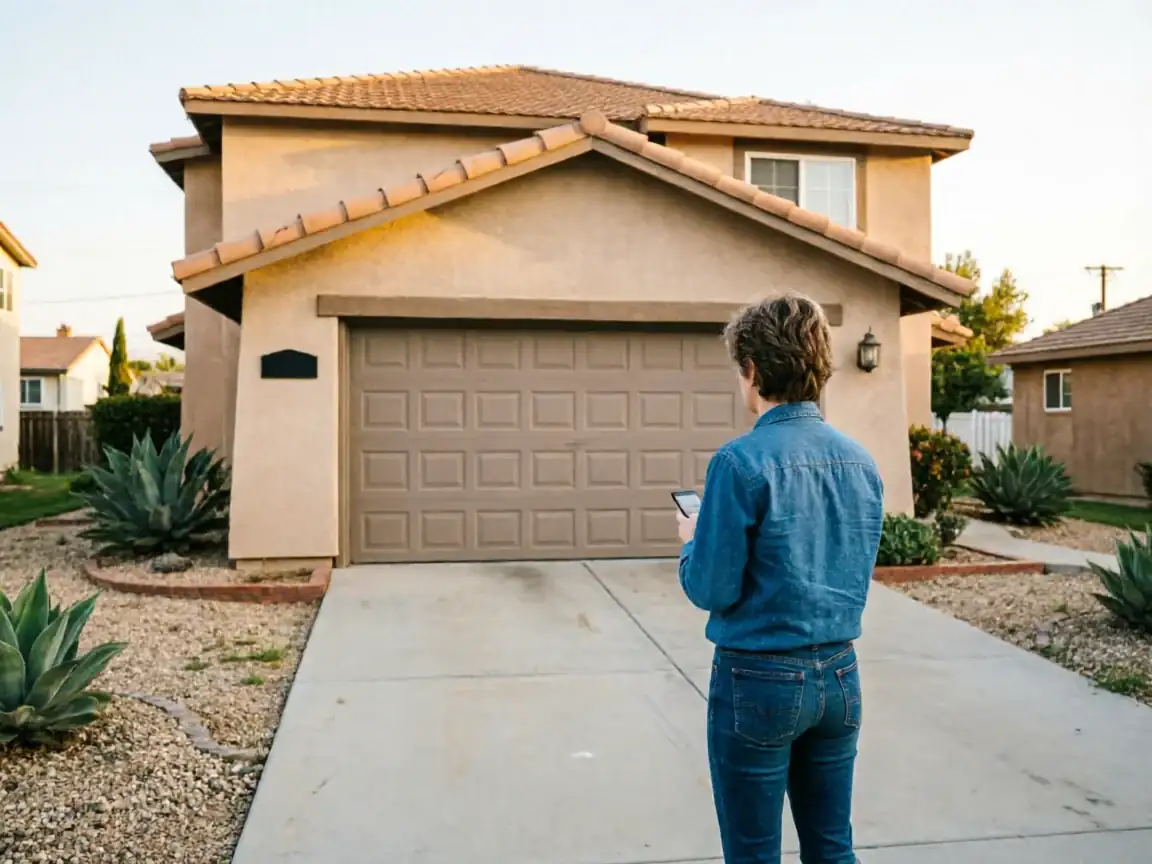
The most common call from Westmont is a door that won't lift, or one that lifts a few inches and stops - almost always a spring problem on a door old enough to have outlived its original one. Close behind that: an opener straining and reversing on a track that's slightly bent, which looks like an opener problem but isn't.
Given the income numbers here, we also get more questions than usual about whether a repair is worth it versus letting the door go another year. For a door that's structurally sound with a worn part, repair almost always wins on cost. For a door with a rusted-through panel or a bent frame, we'll tell you honestly when that math flips.