How We Fix It
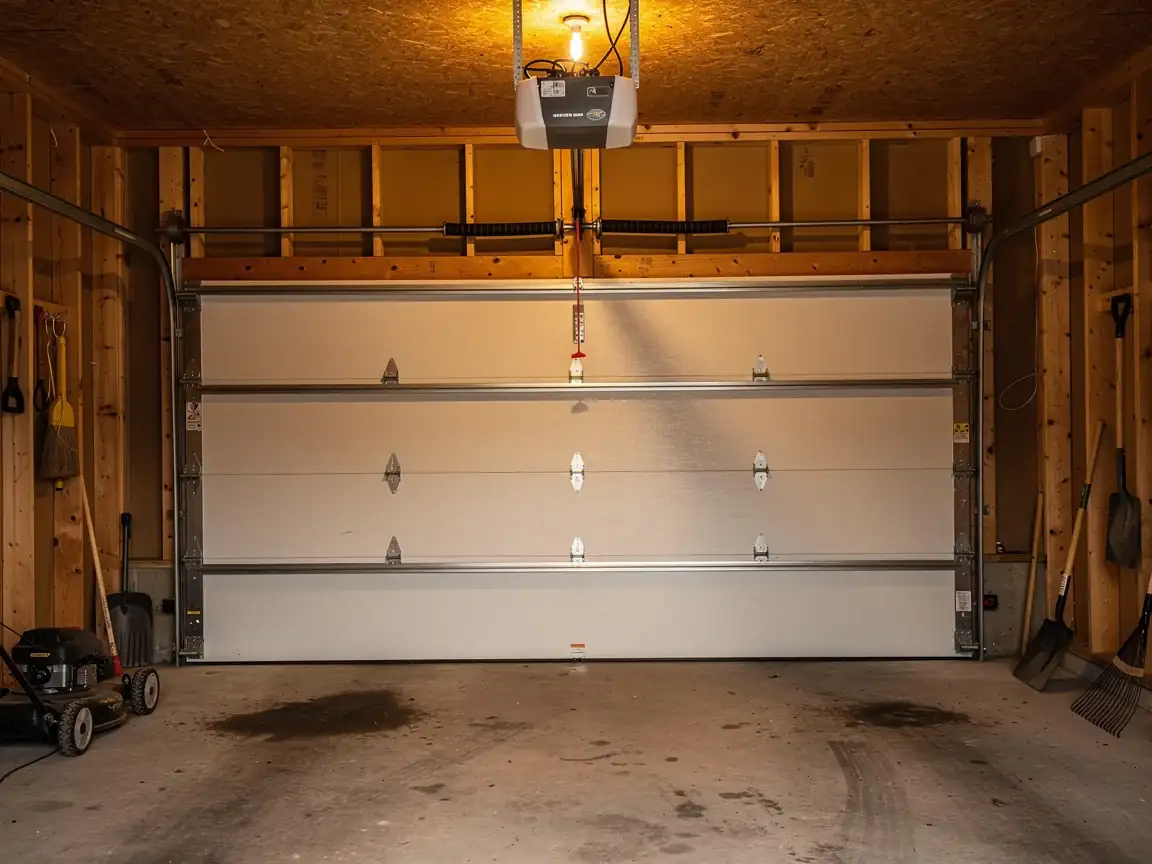
Westmont is a small, dense stretch - about 10,532 households packed into a few square miles, three miles from where we run our trucks out of Inglewood. A town that size doesn't generate a lot of variety in the calls we get. It's mostly the same door, built around the same year, failing the same way: a torsion spring that's stretched past its coil count and snapped, usually on a cold morning or after one too many openings in a day.
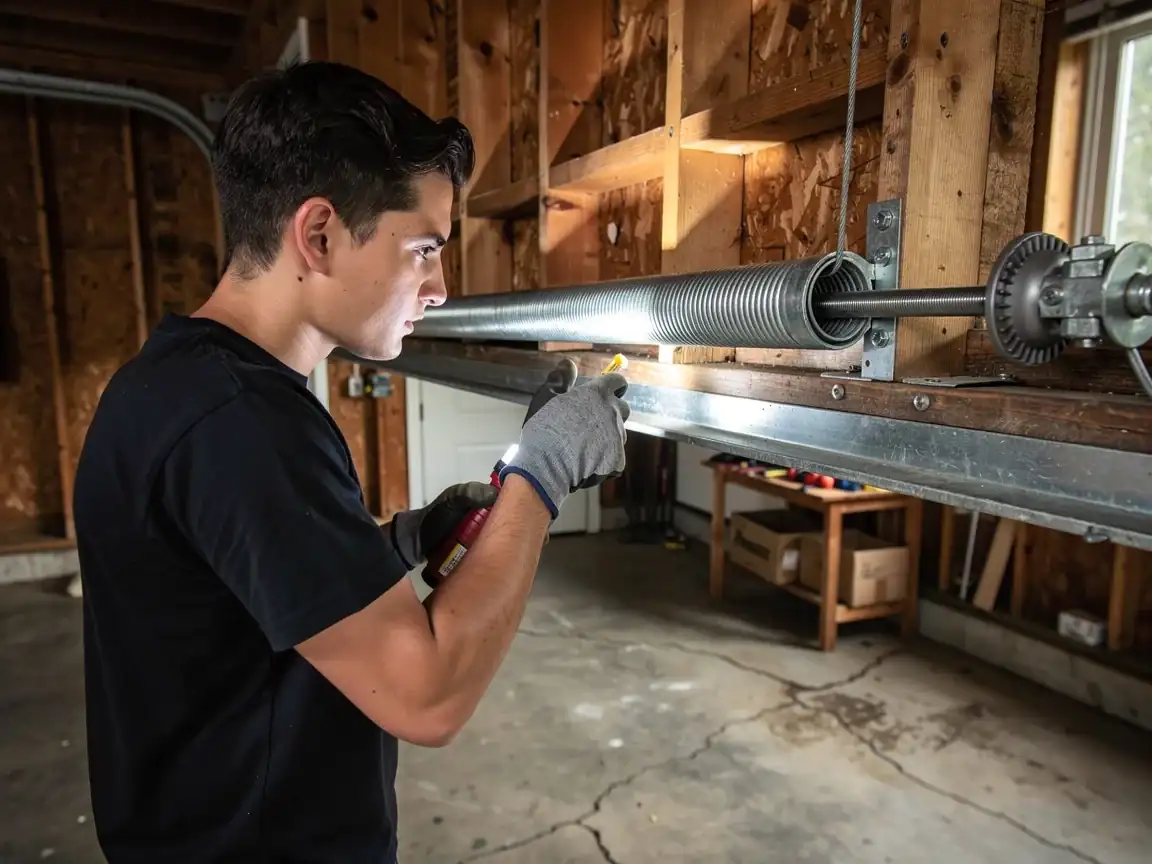
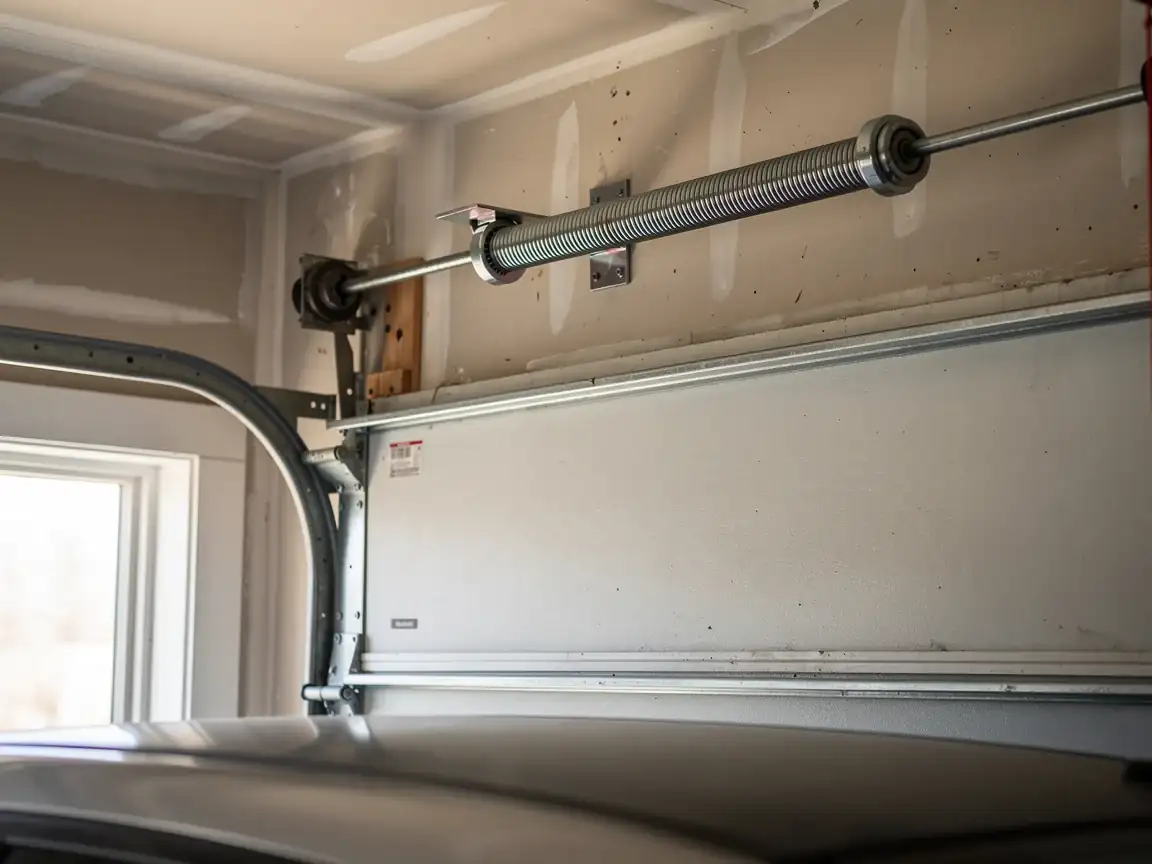
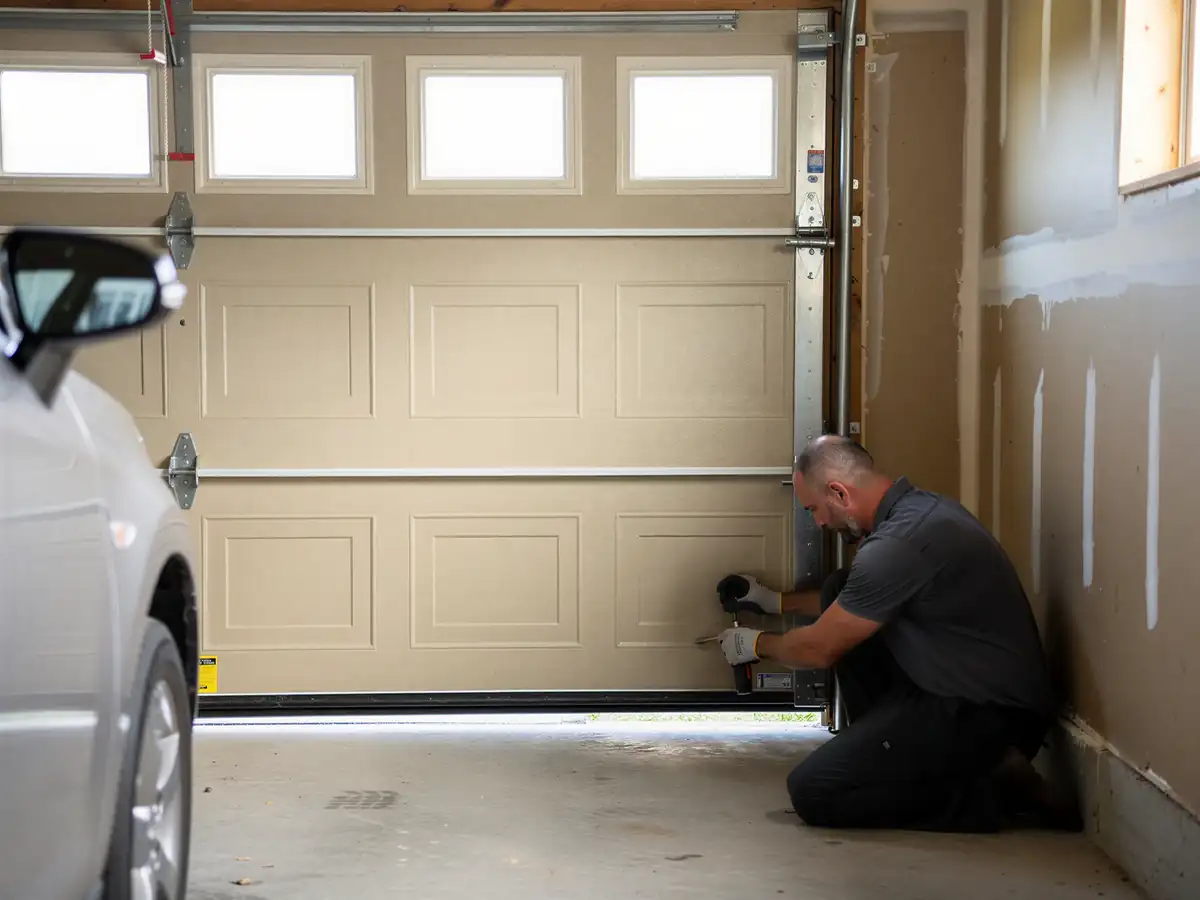
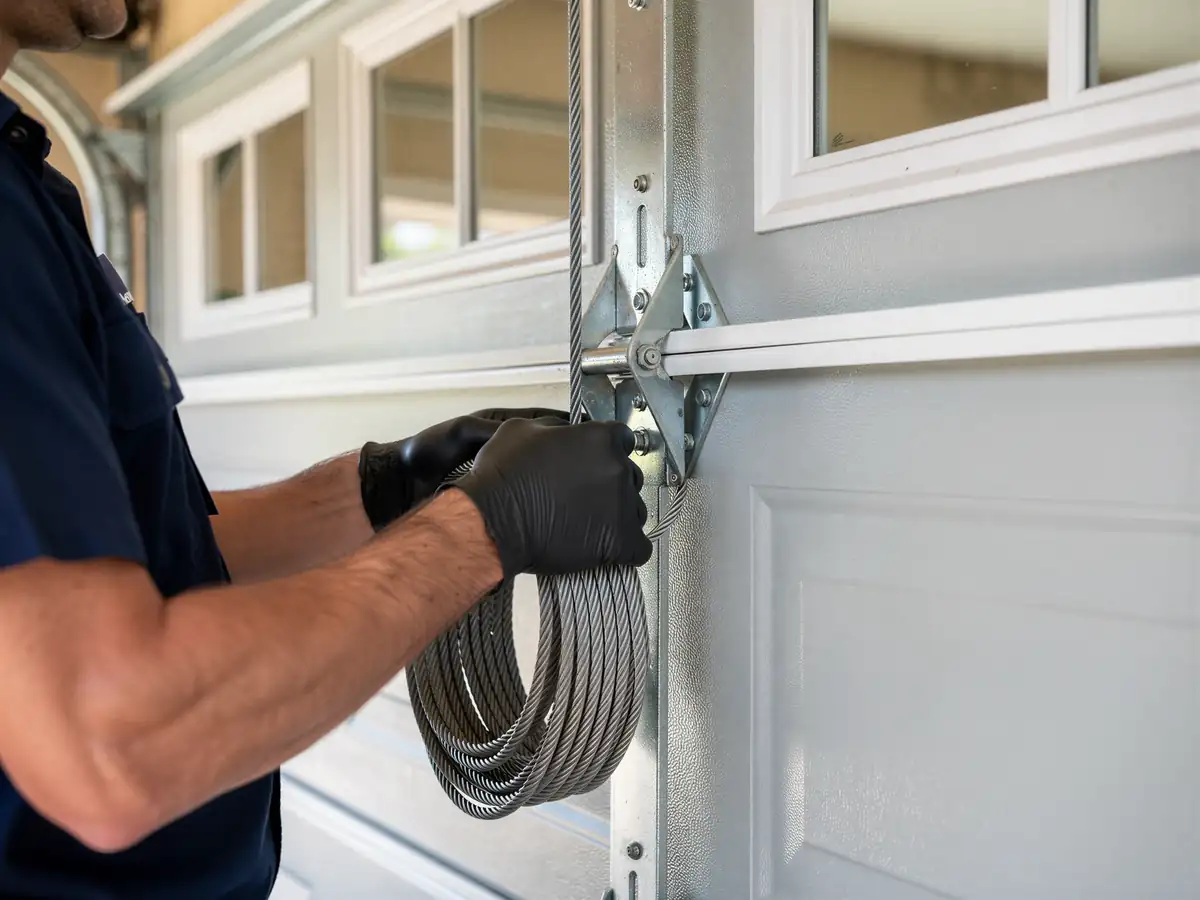
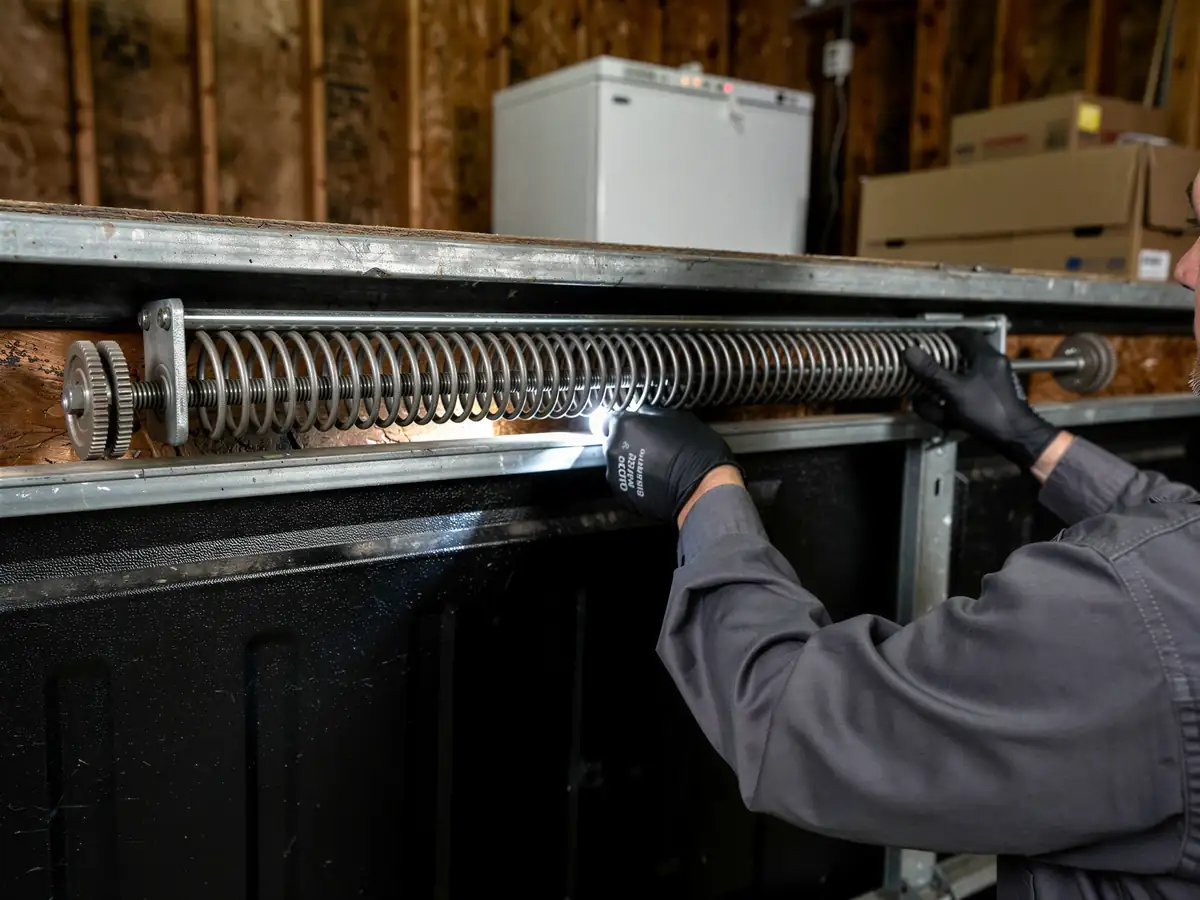
We pull the broken spring, measure the wire gauge and wind direction off what's left of it, and match it rather than guess. On a standard double door we carry the common sizes on the truck. On anything non-standard - and a fair number of doors from this era are - we may need to order, which we'll flag before we start so you're not waiting on us mid-job.
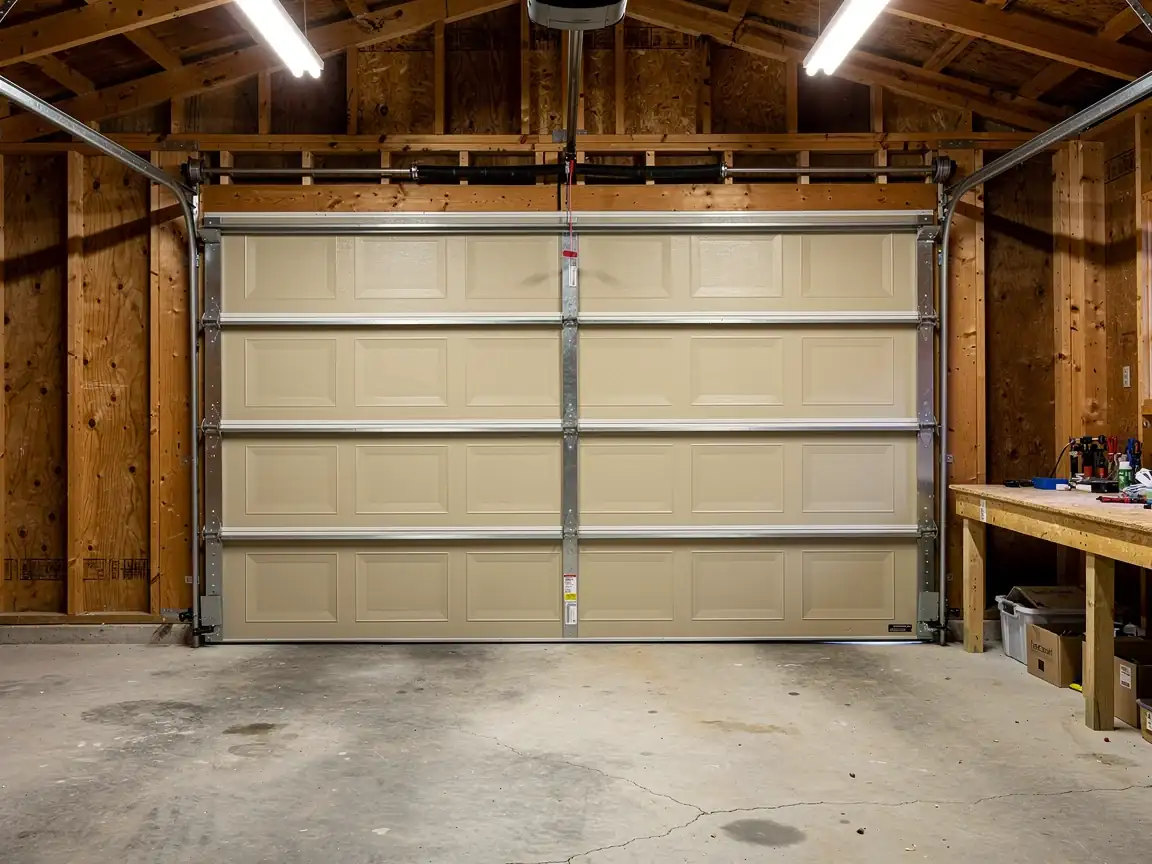
We don't patch a spring. If one side has gone, the other side is close behind on the same cycle count, so we replace both as a set on a double-spring system. That's standard practice, not an upsell.
The DIY Question
A torsion spring is wound under enough tension to break bones or worse if the winding bars slip
We're not going to walk you through doing it yourself, and most of what you'd find online skips the part where the spring is loaded and the cable is doing nothing to hold the door up on its own once that spring lets go.
What you can check safely
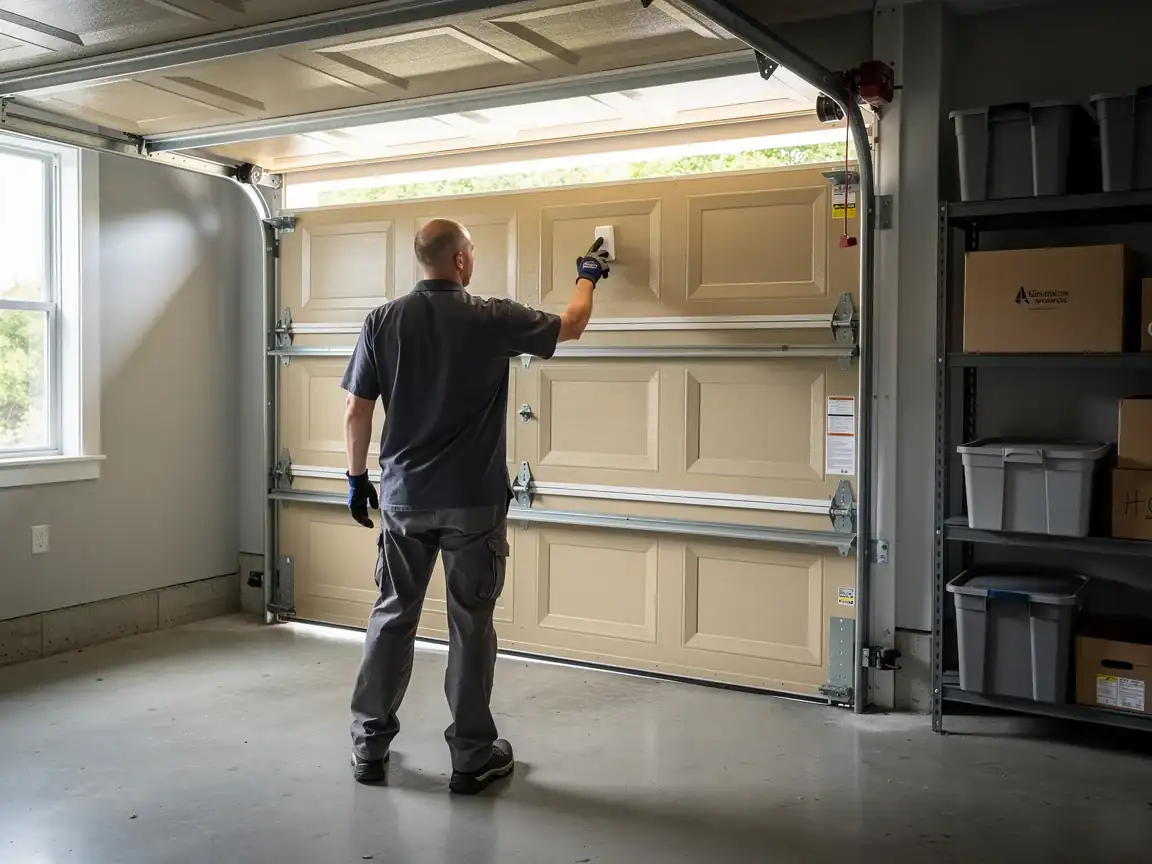
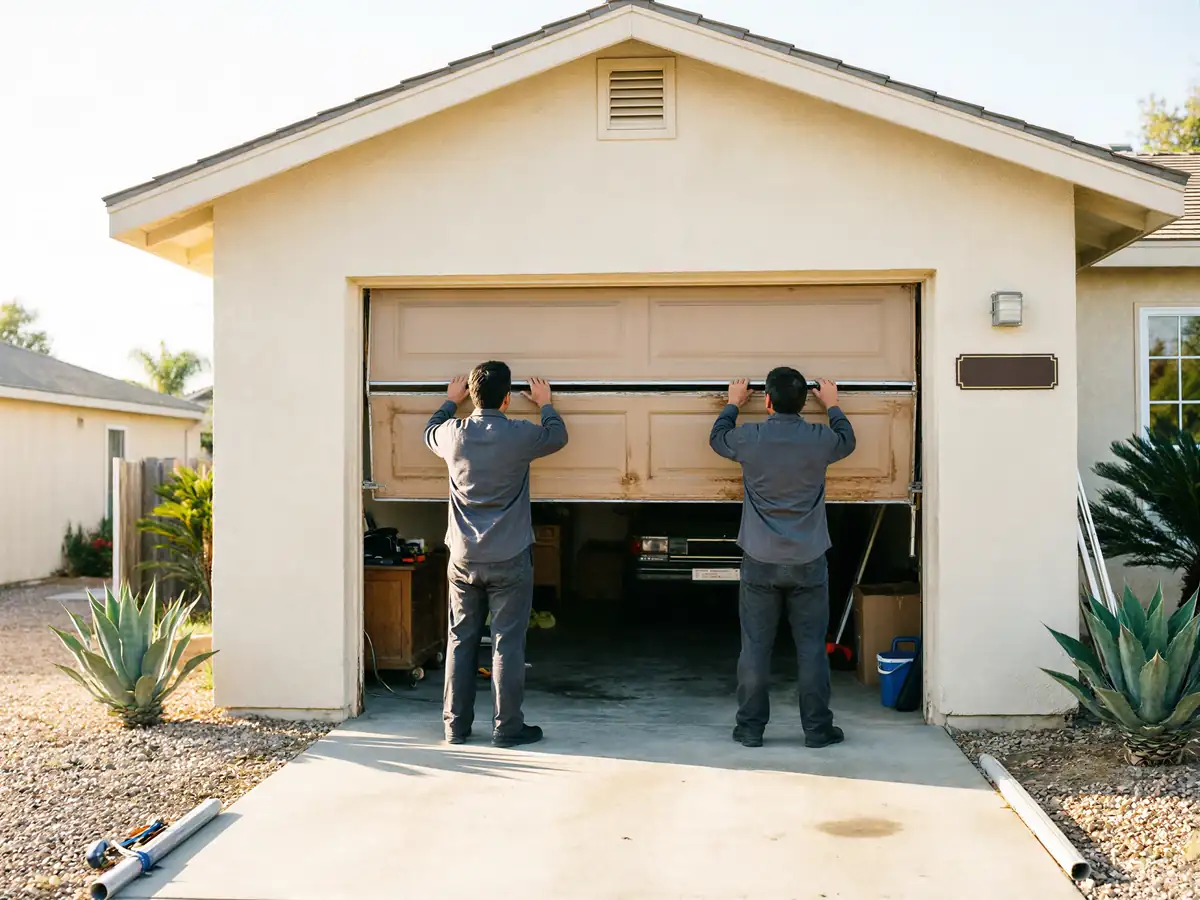
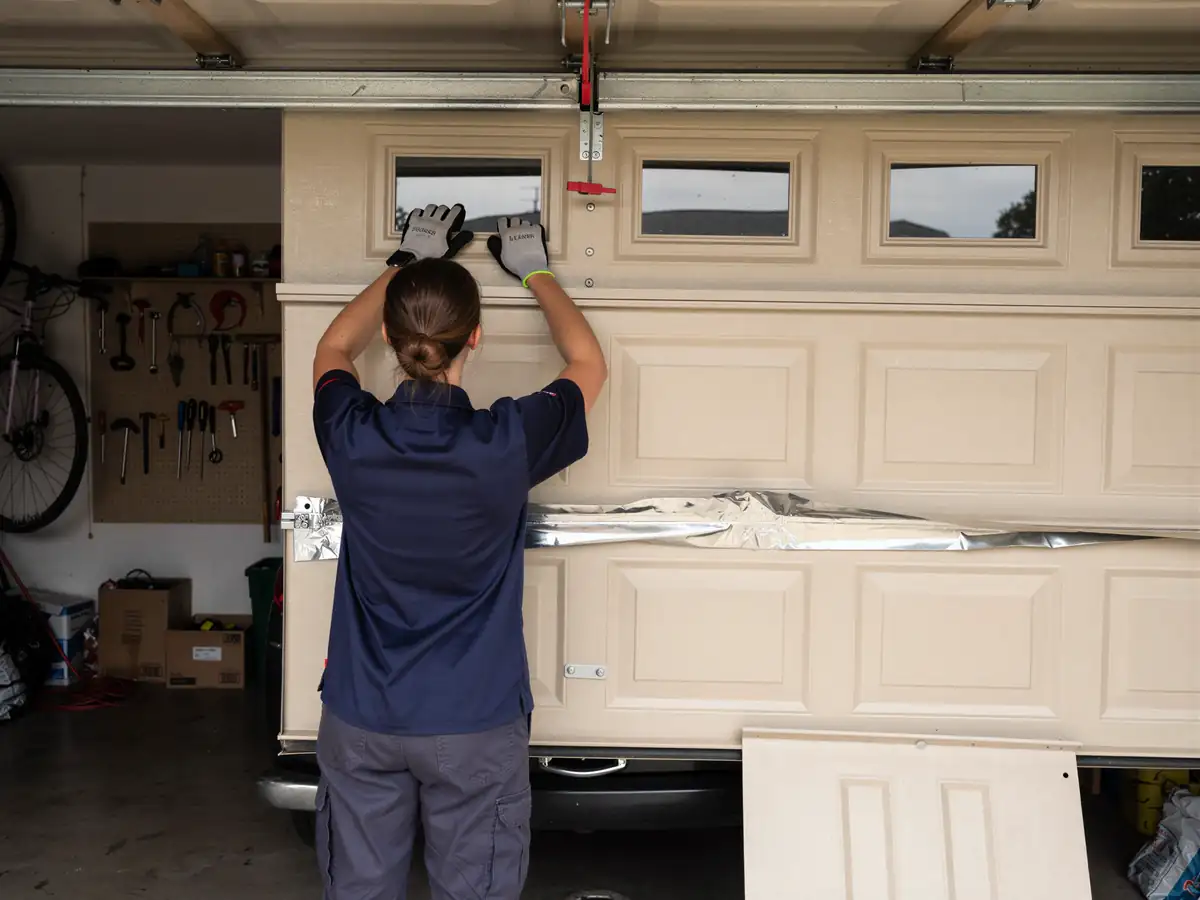
The panel for bowing, the cable condition where it wraps the drum, and whether the door opens unevenly or drops suddenly partway. Any of those tells you something's wrong before the spring fully fails. If the door already won't move, or dropped fast, leave the opener switched off and call - don't try to force it by hand or run the opener against a jammed door, which strains the motor and the track mounts both.
Getting It Booked In
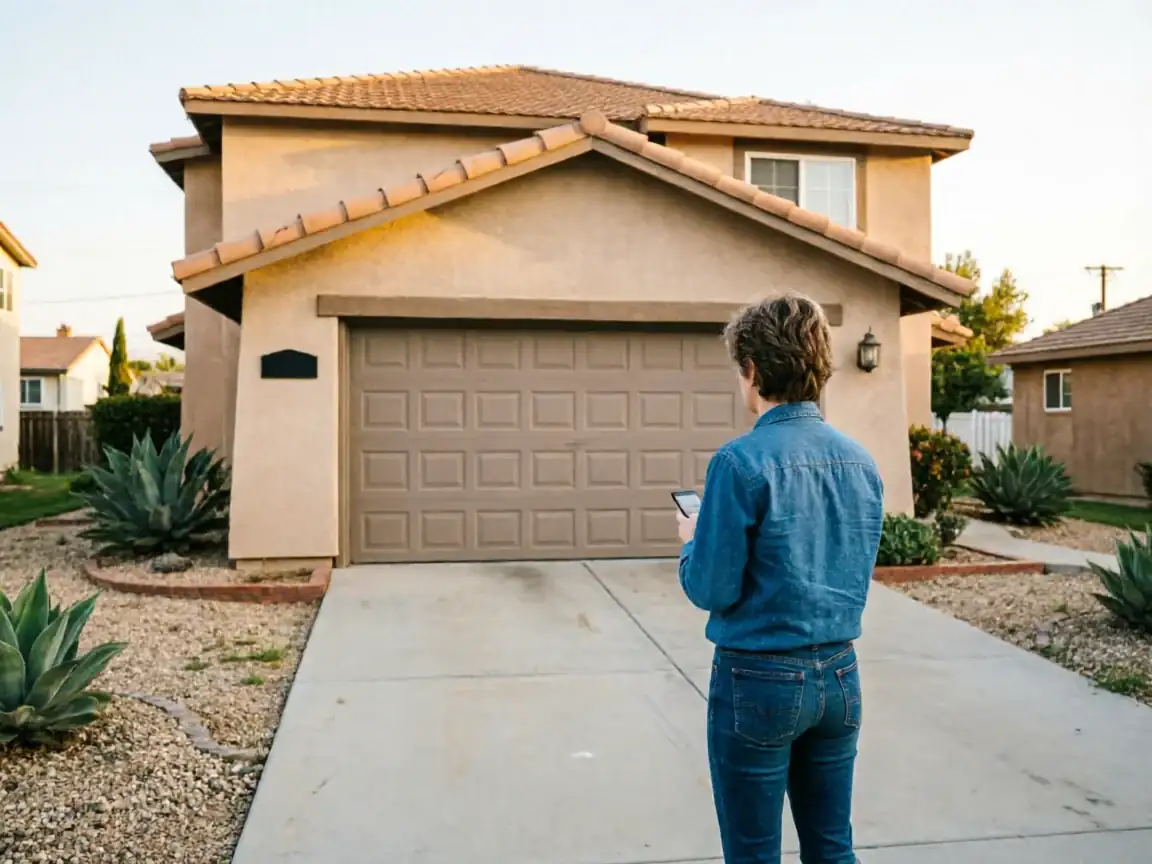
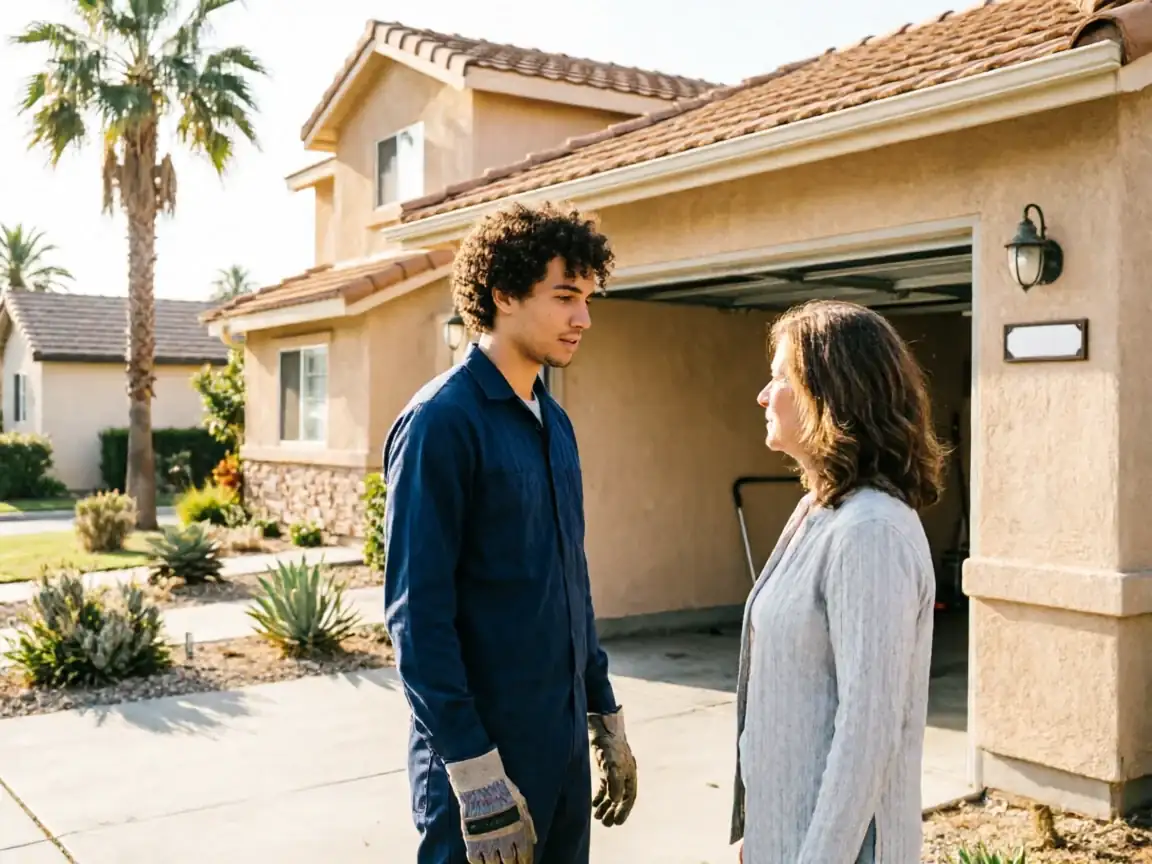
We come from Inglewood, three miles out, so there's travel time built into every Westmont call - we're not sitting in the neighborhood waiting. When you call, tell us what the door is doing: won't open, opened partway and stopped, made a loud bang and now sits crooked. That tells us whether we're bringing spring stock or diagnosing something else, like a cable or a broken bottom bracket that looks like a spring failure but isn't.
If your door's opener still has power but the door itself won't lift by hand either, that's almost always spring tension gone, not a motor problem. Knowing that before we arrive saves a second trip.
Where This Job Goes Sideways
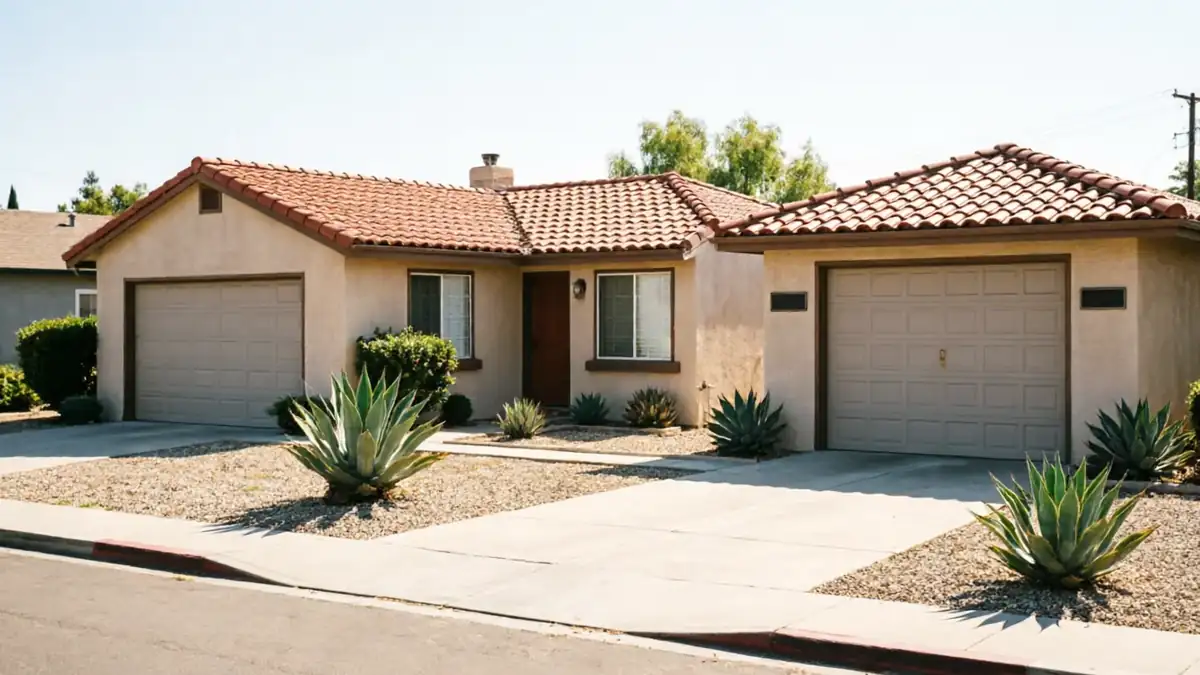
The complication in Westmont isn't the climate - mild temperate, no freeze-thaw cycle working against the hardware - it's the age of the housing stock. Westmont's homes run a median build year of 1958, ahead of the 1960s-70s stock that dominates most of the other named areas we cover. That means more original torsion drums, older track spacing, and spring sizes that aren't always the current stocked standard.
On a door that's never been touched since the house was built, the spring isn't the only worn part. Rollers, the bottom bracket, and the cable drums are often original too, and replacing a 60-plus-year-old spring on hardware that hasn't been serviced can expose a second problem - a cracked drum or a seized bearing - once the tension's off and we can see it clearly. We'll tell you if that's what we're looking at rather than closing the ticket and letting it fail again in a month.
How It Shows Up
Most Westmont calls sound the same: the door wouldn't budge, or it came down fast and hard on its own. Sometimes it's a loud bang from the garage followed by the door sitting an inch off level. On a single door you might get away with it opening slow and heavy for a week before it finally lets go; on a double, with two springs sharing the load unevenly once one starts to go, the failure tends to come faster and with less warning.
If you're not sure what you're hearing or seeing, we'd rather you call and describe it than wait to find out on a morning you need the car out.